


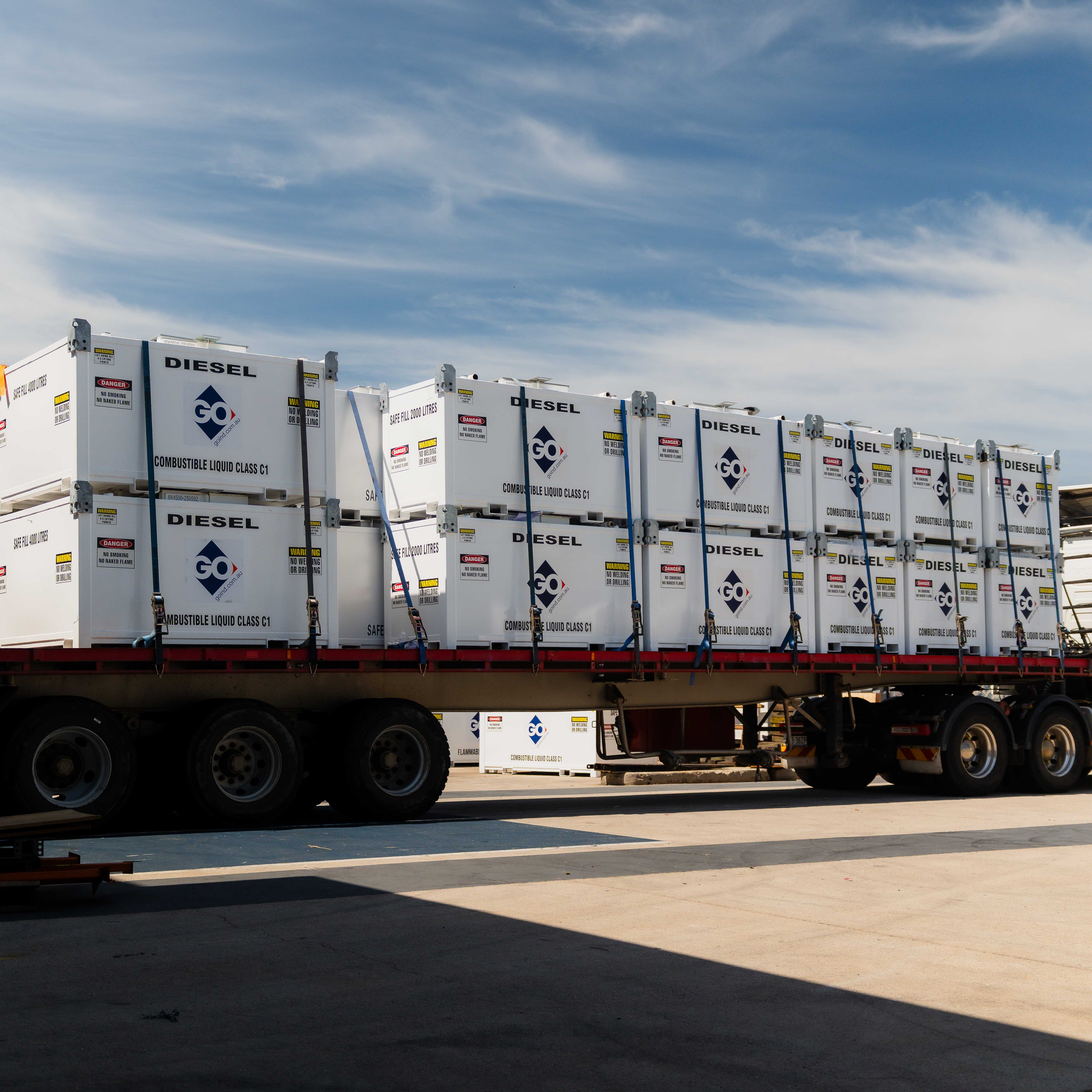
Self-Bunded Tanks
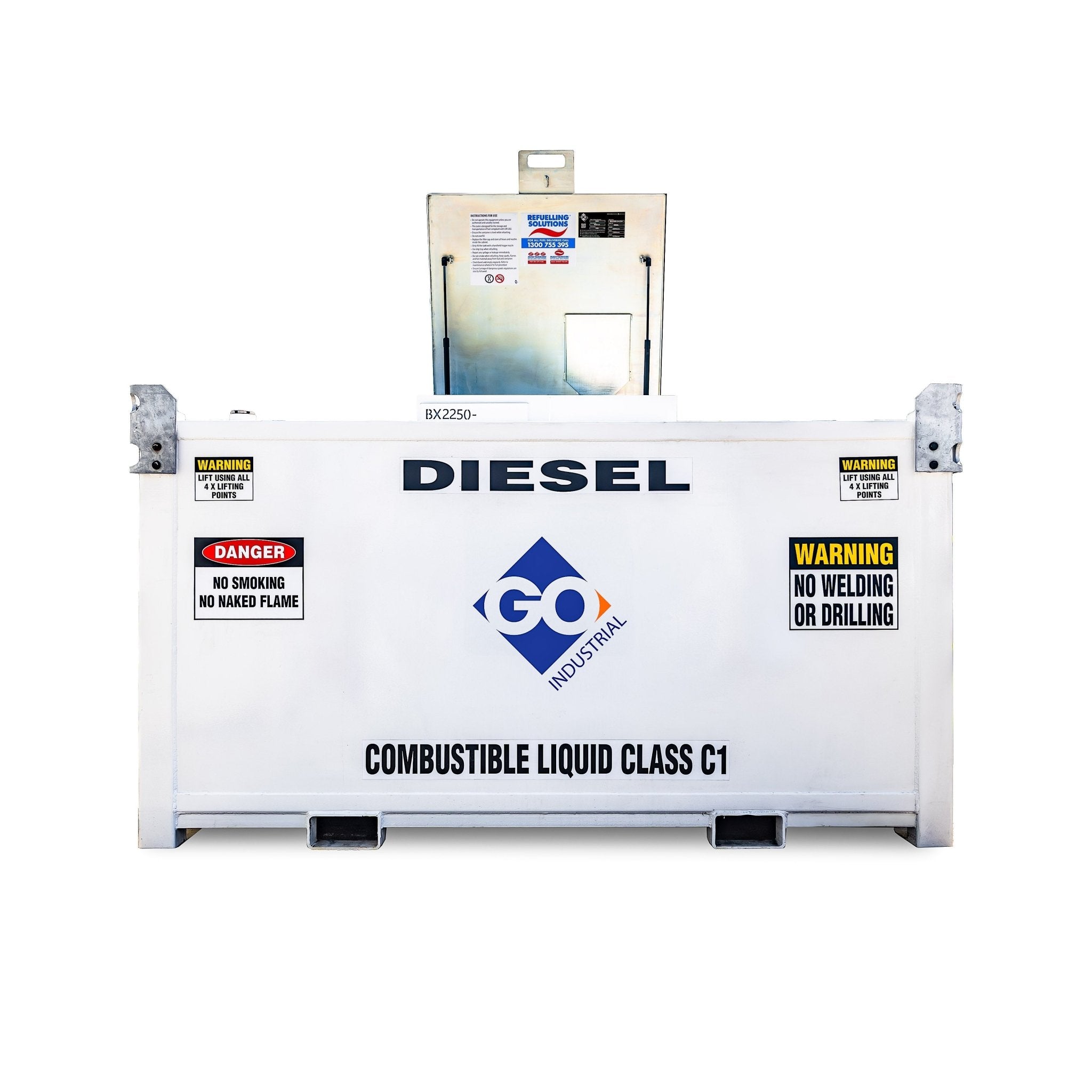
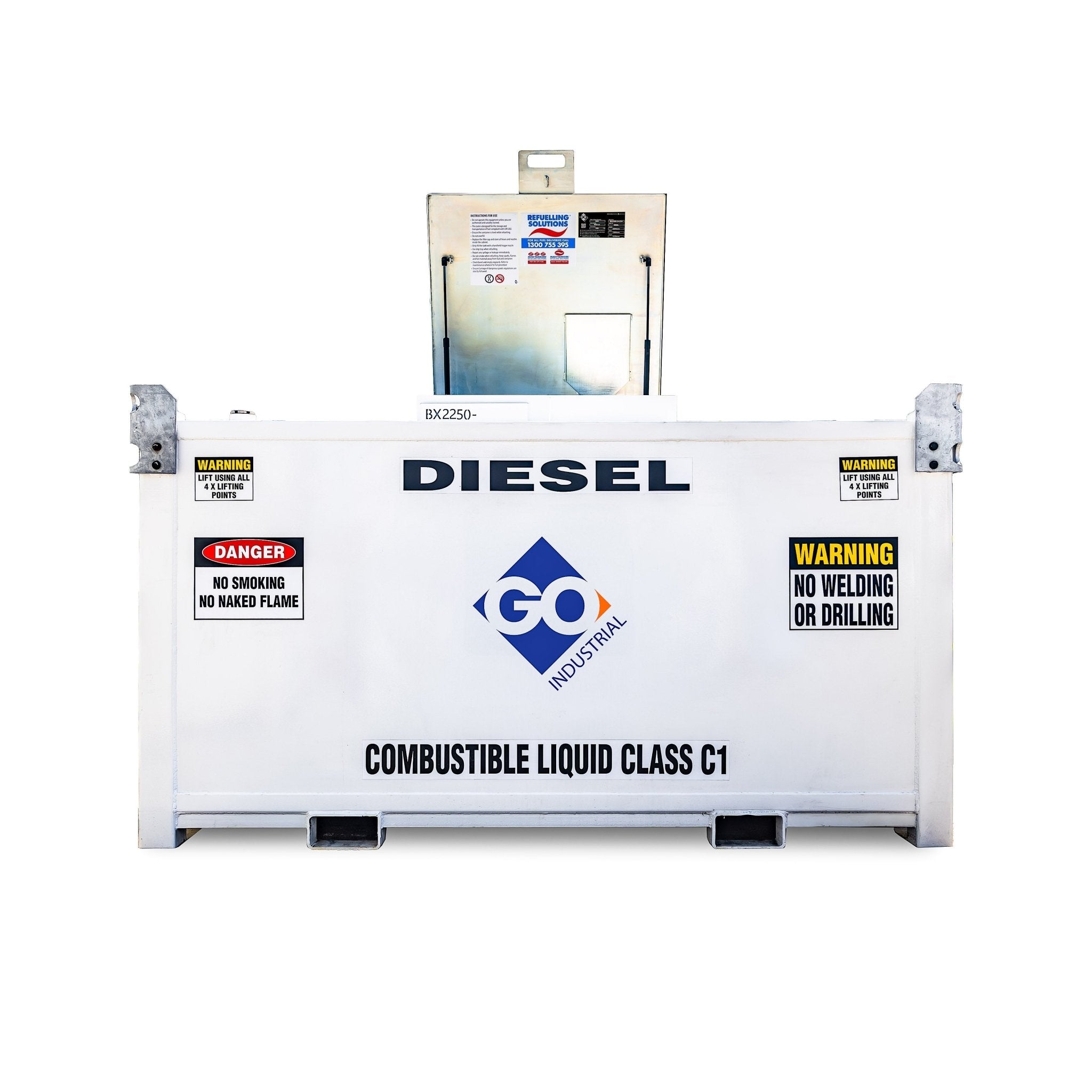
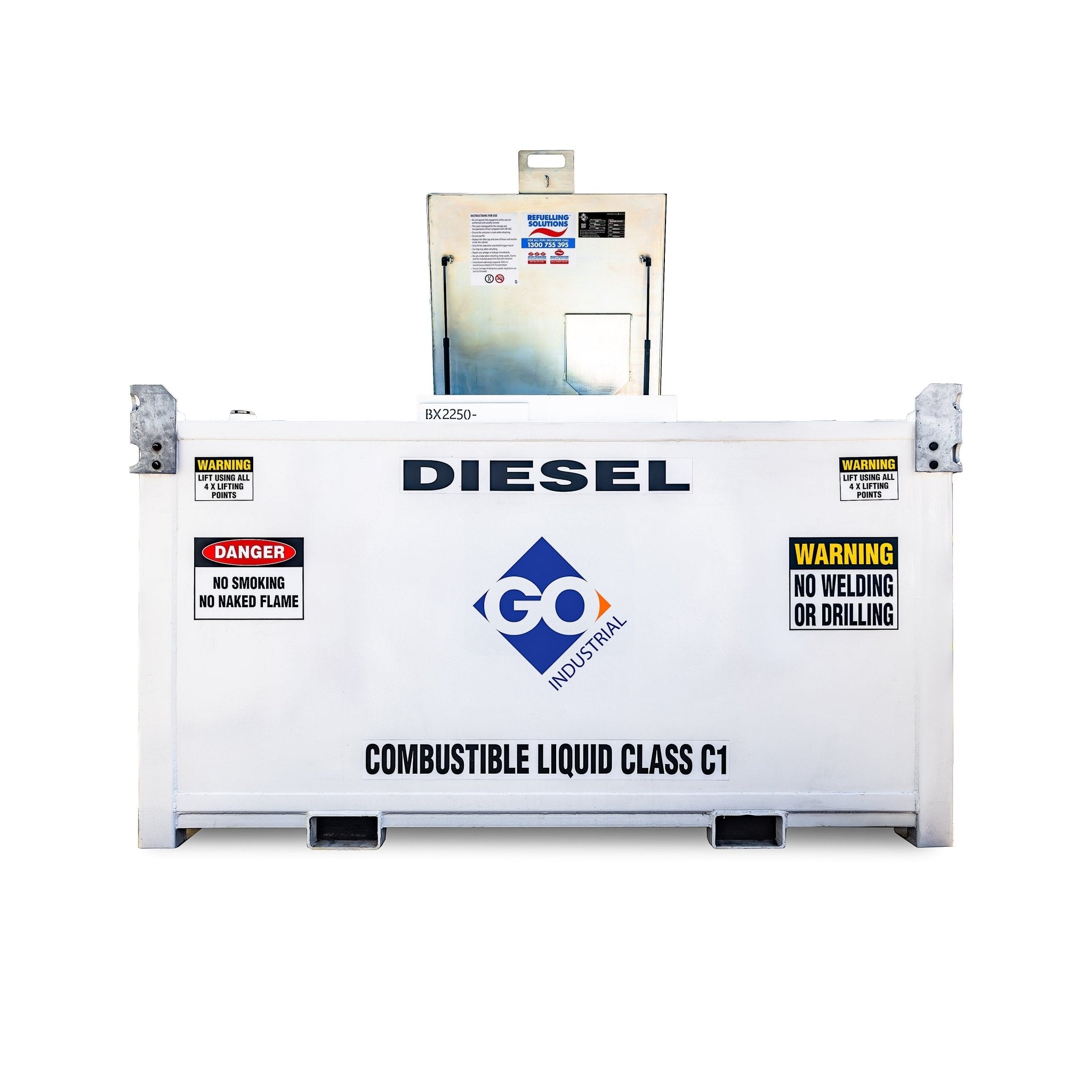
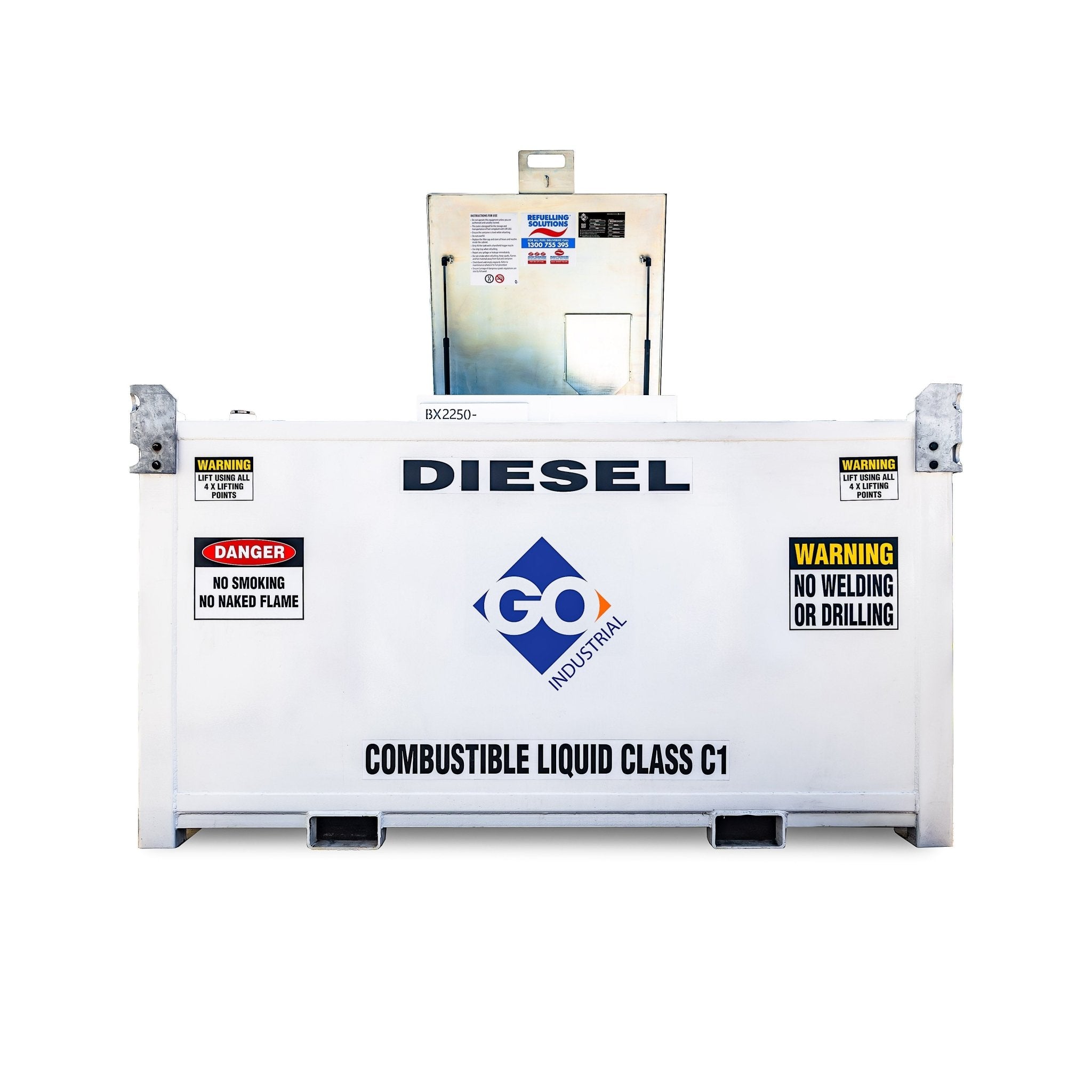
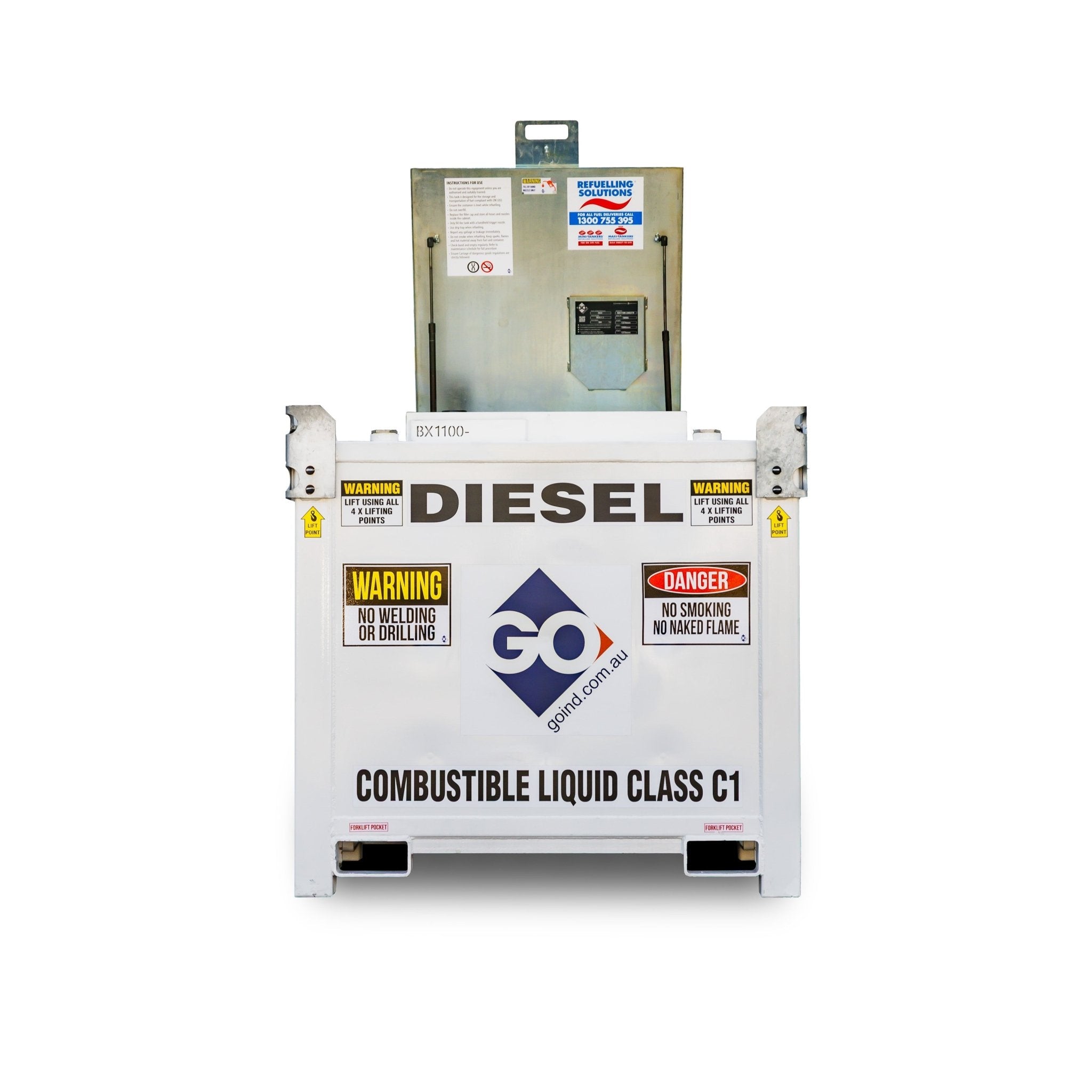
AS1940 compliant fuel storage from 250L to 110,000L
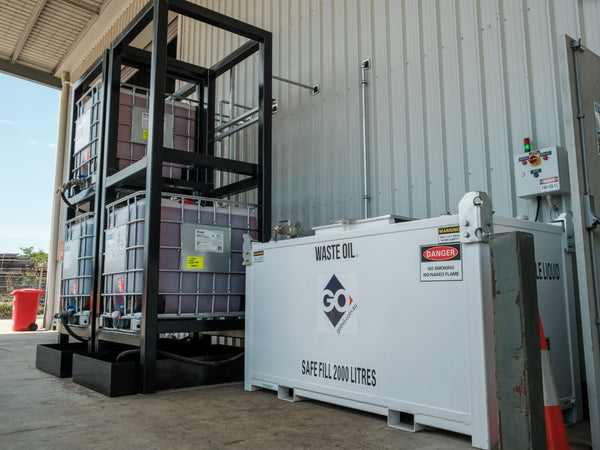
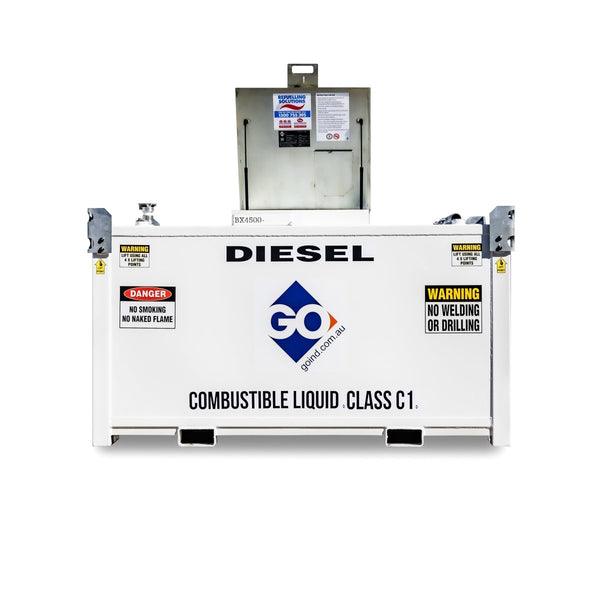
GO Fill supplies self bunded fuel tanks from 250L right through to 110,000L, covering every fuel storage requirement from a small generator setup to a full-scale mine site fuel farm. Every tank in our range is designed and certified to AS1940 for the storage and handling of flammable and combustible liquids - compatible with diesel, petrol, kerosene, lubricants, and waste oil. Browse by range below, or talk to our team about a custom configuration for your operation.
Filters
56 products
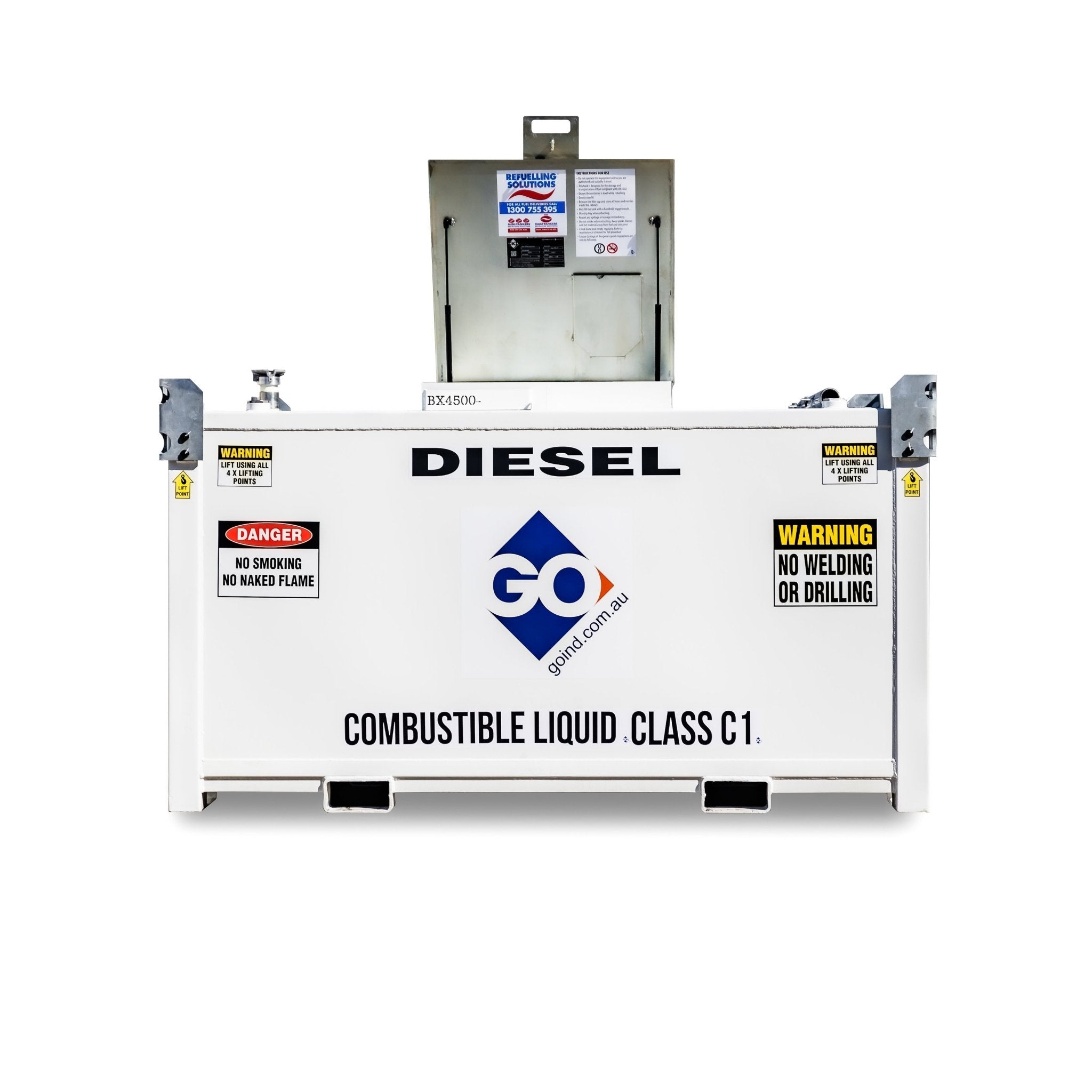
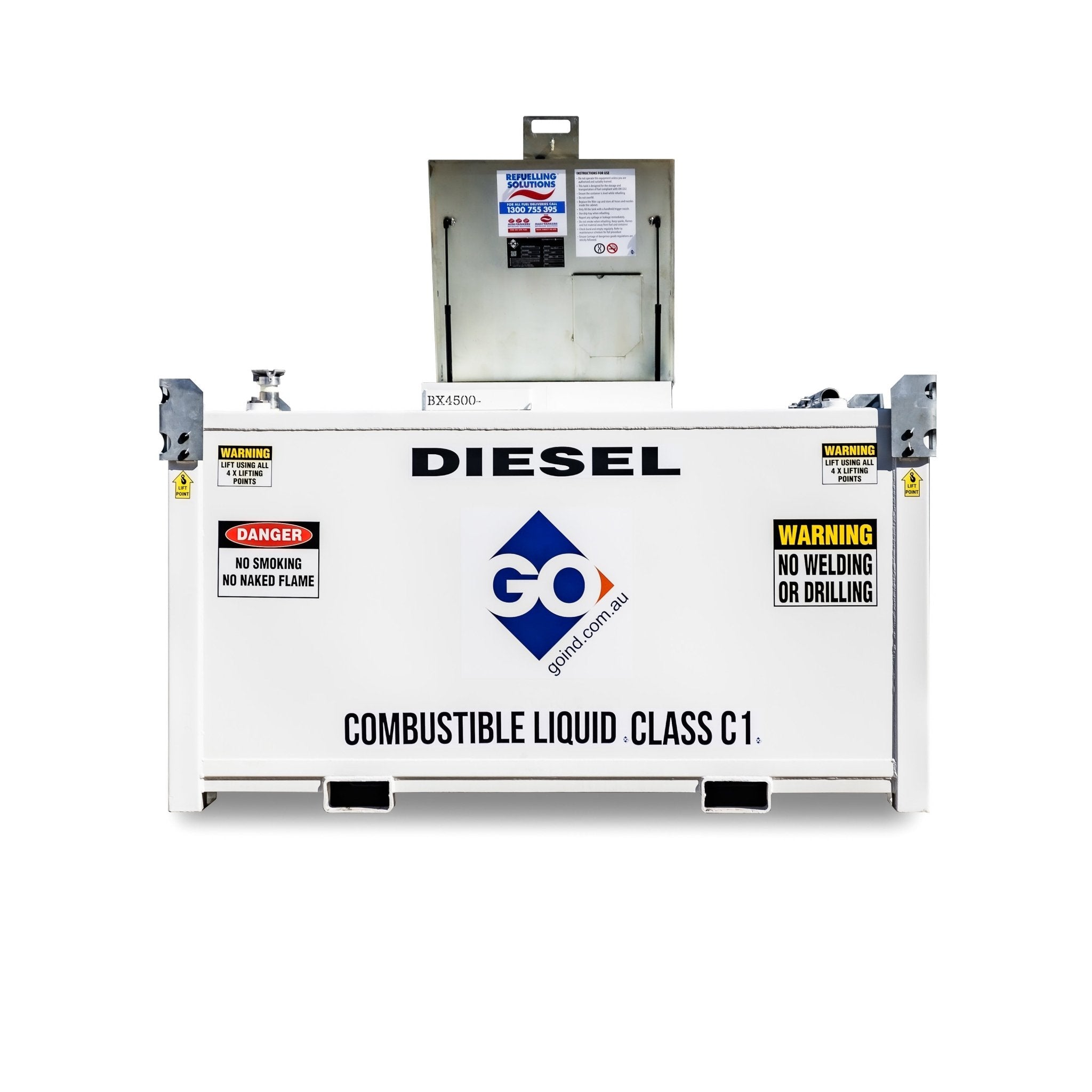
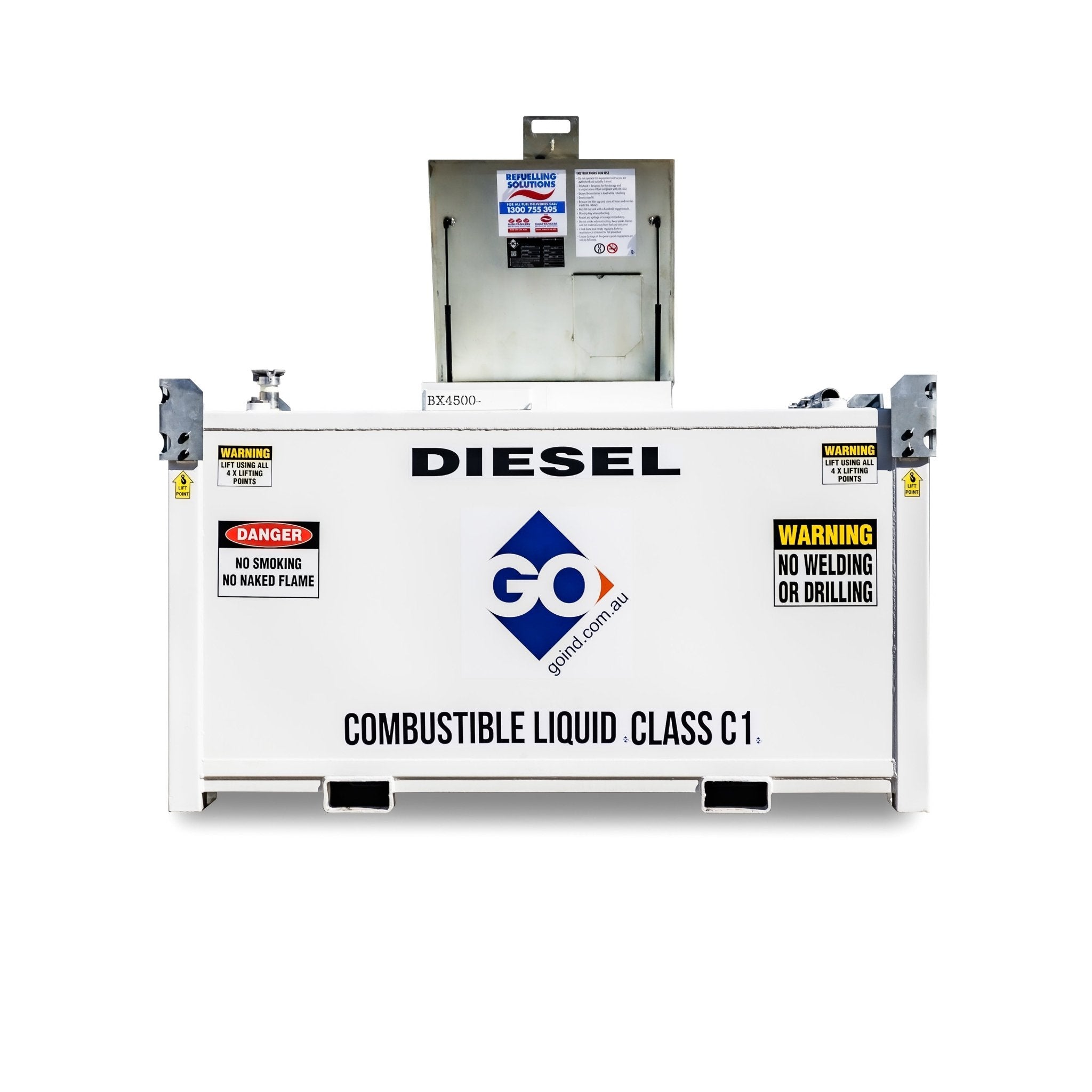
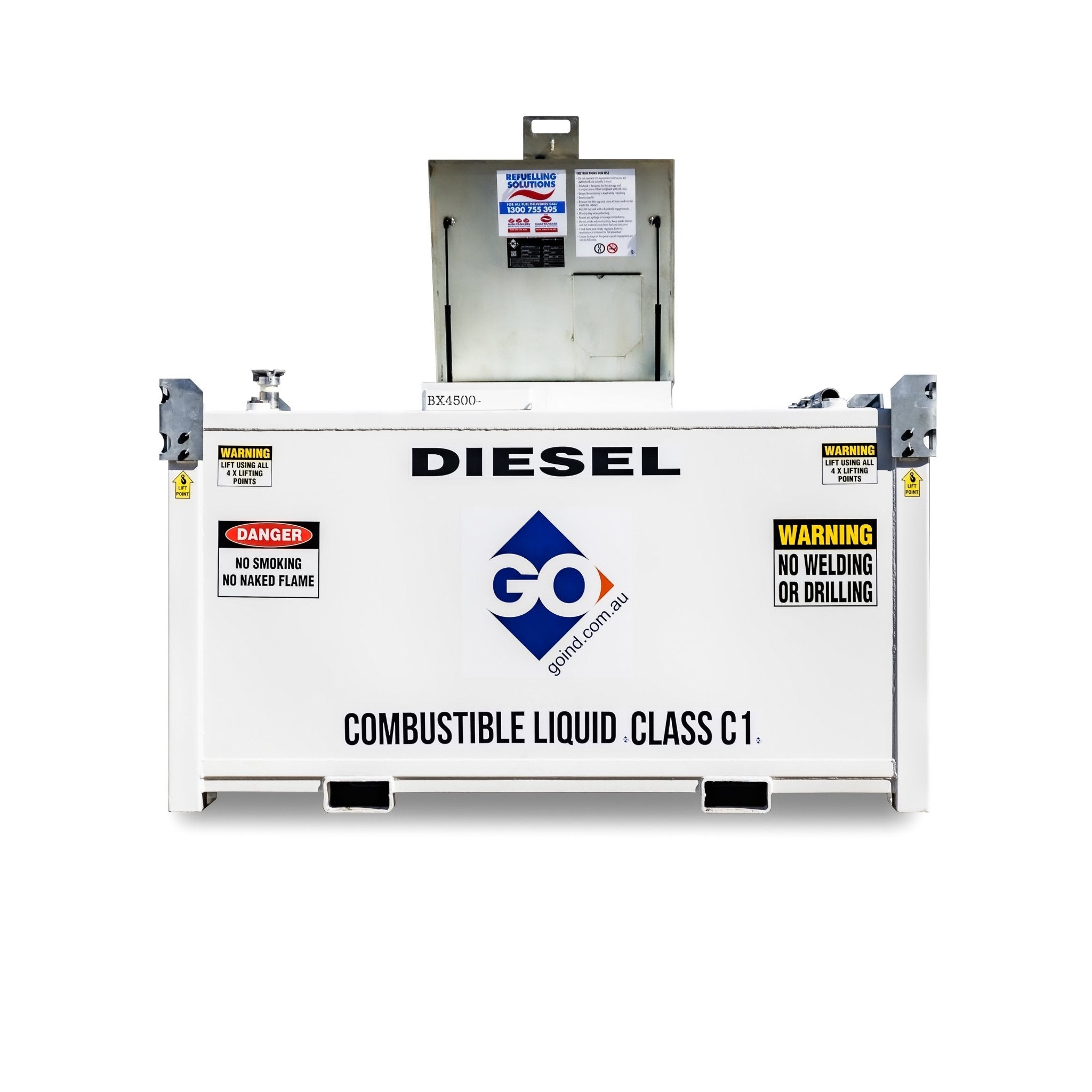
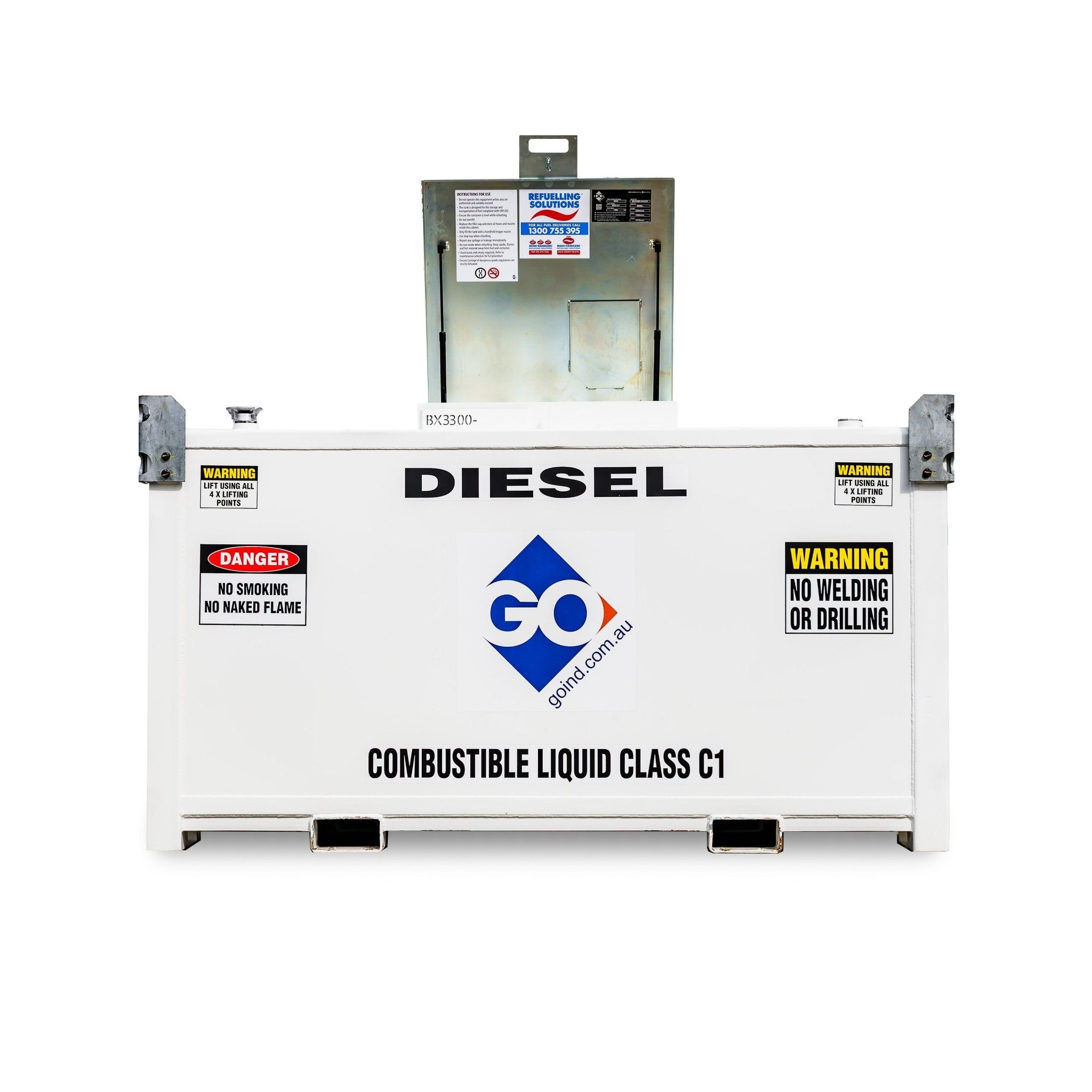
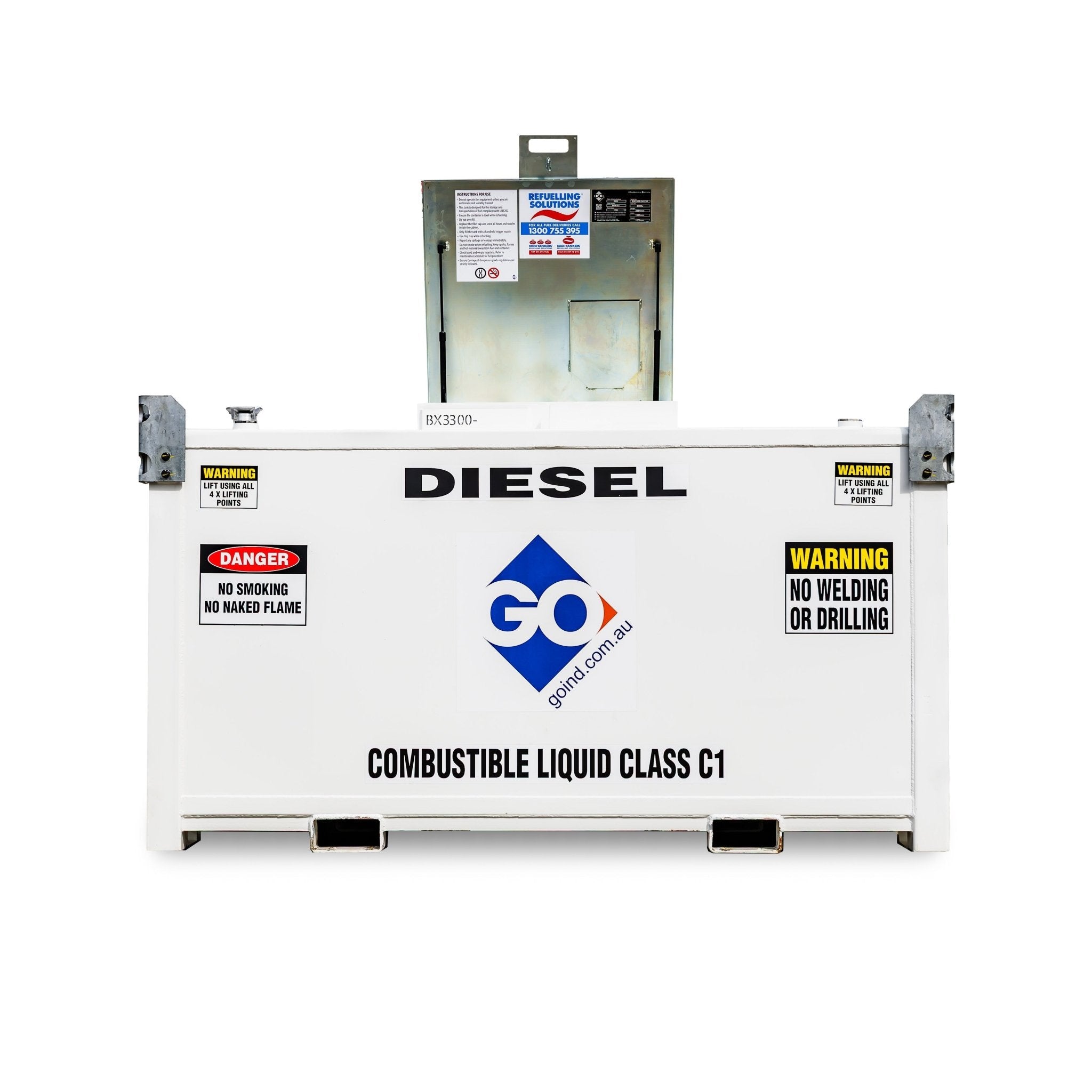
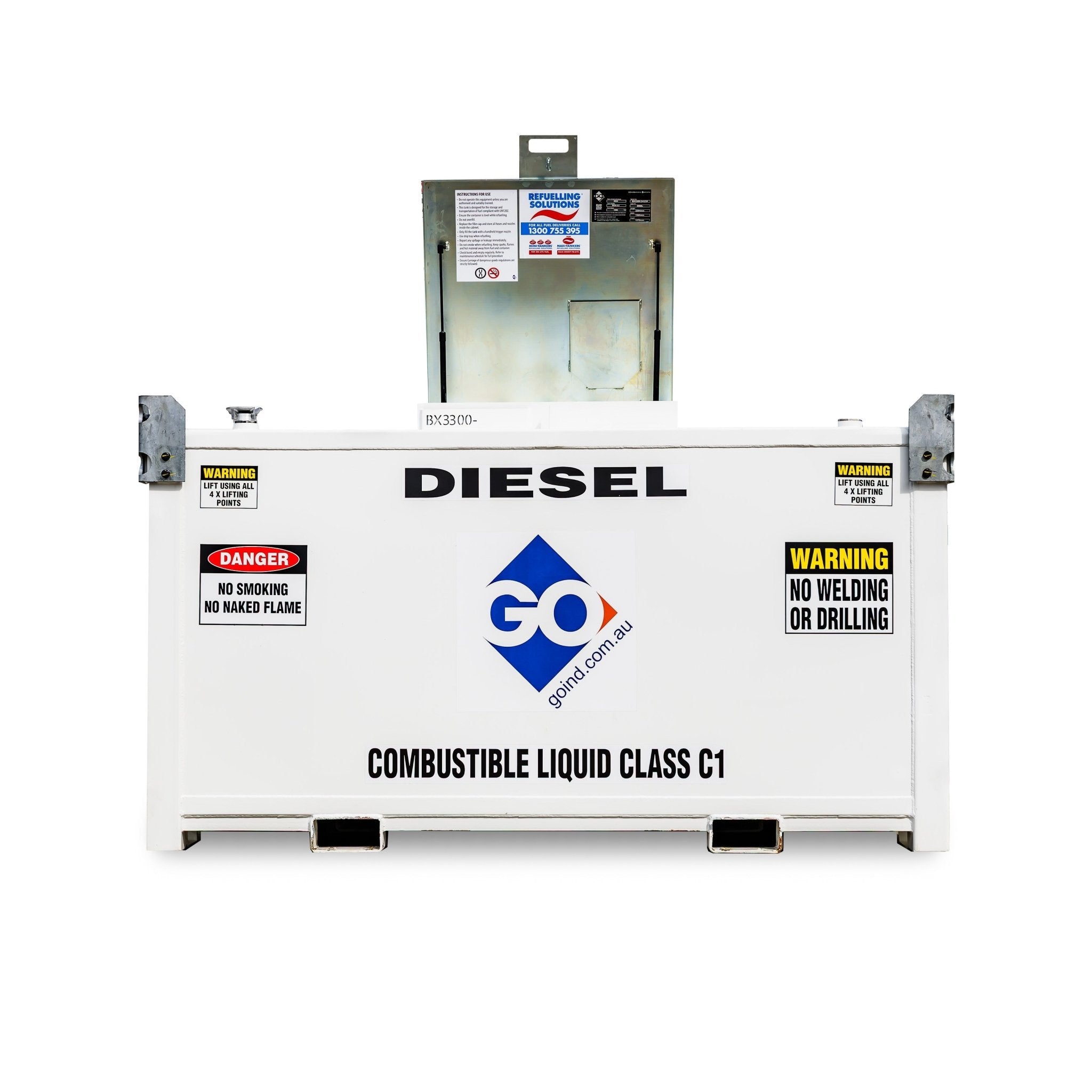
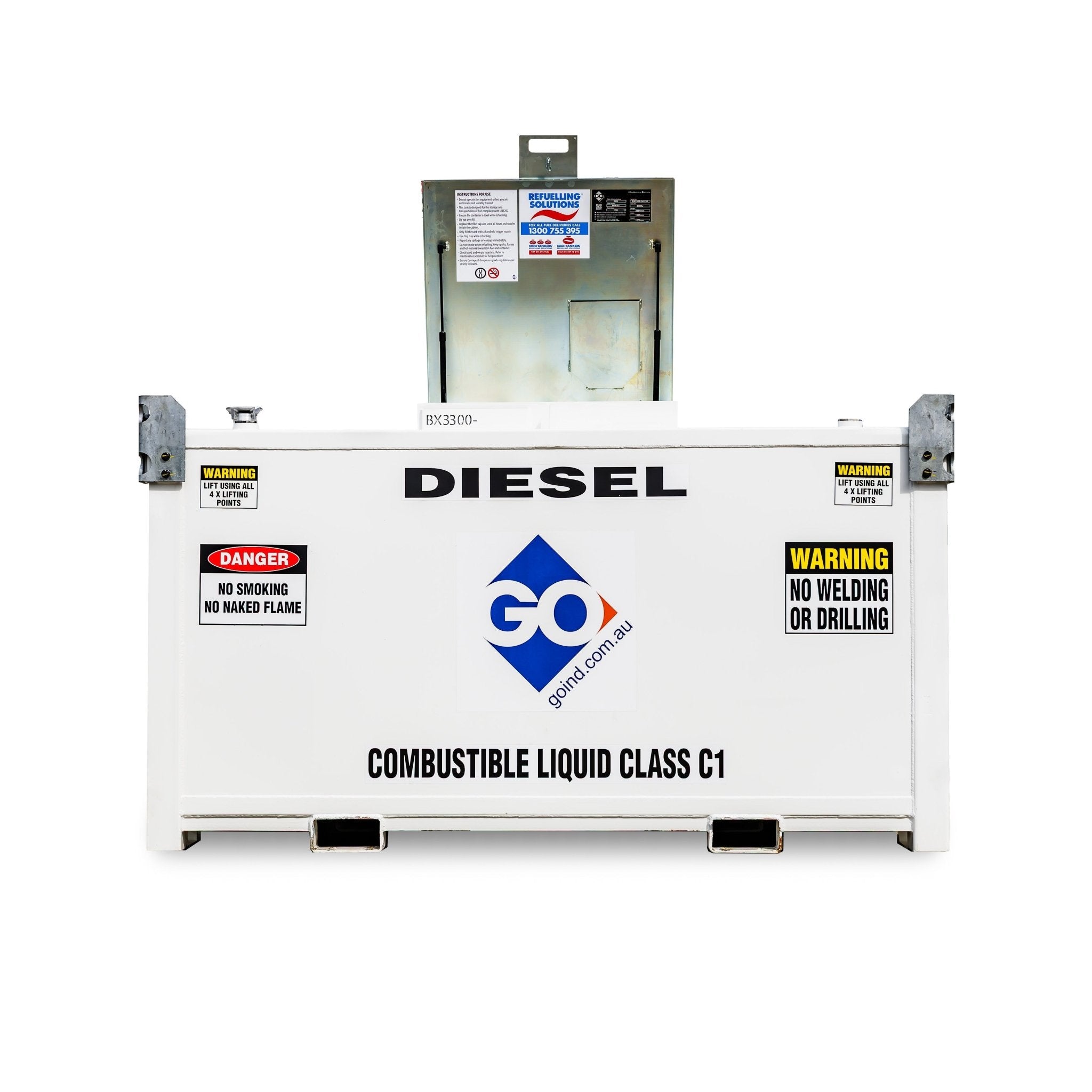
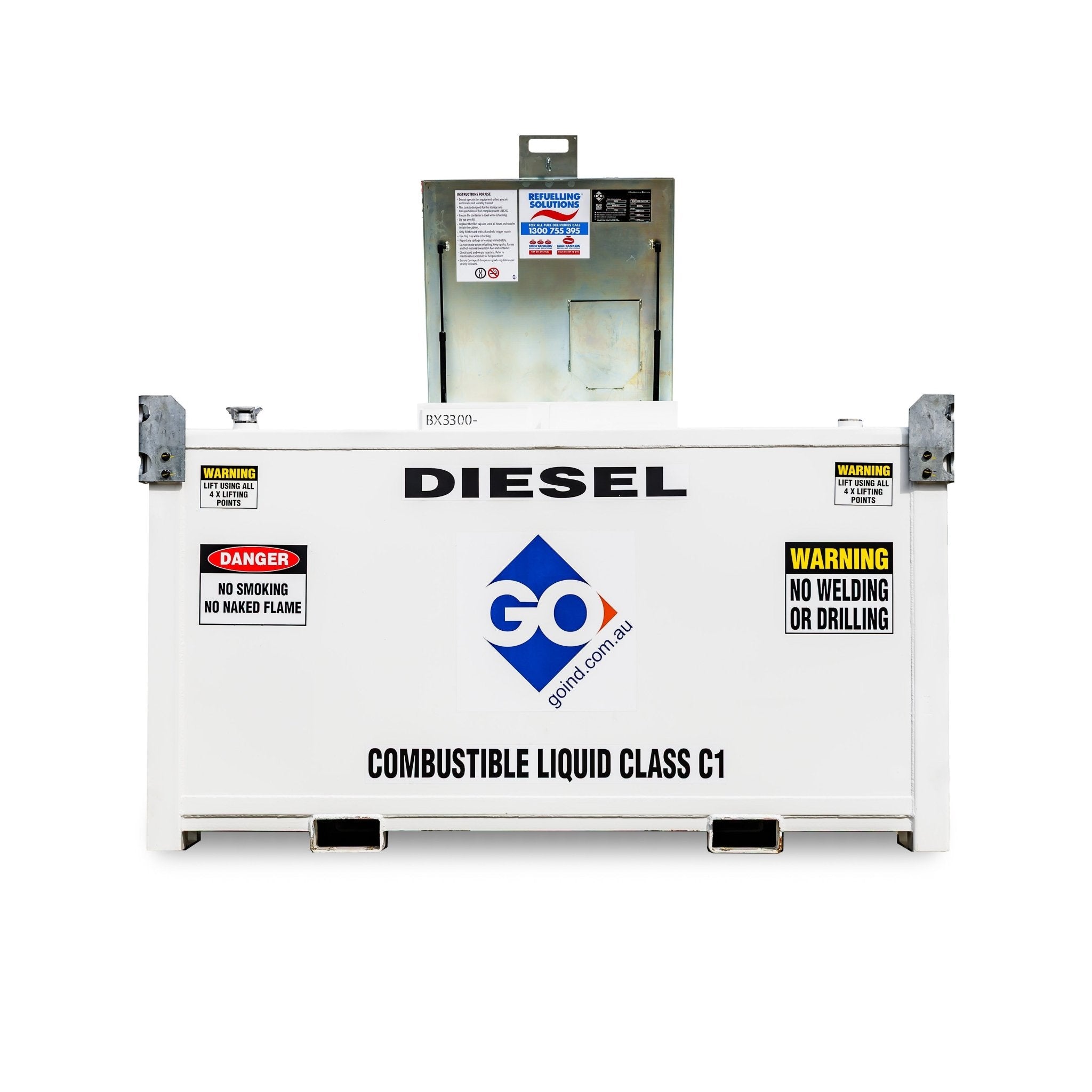
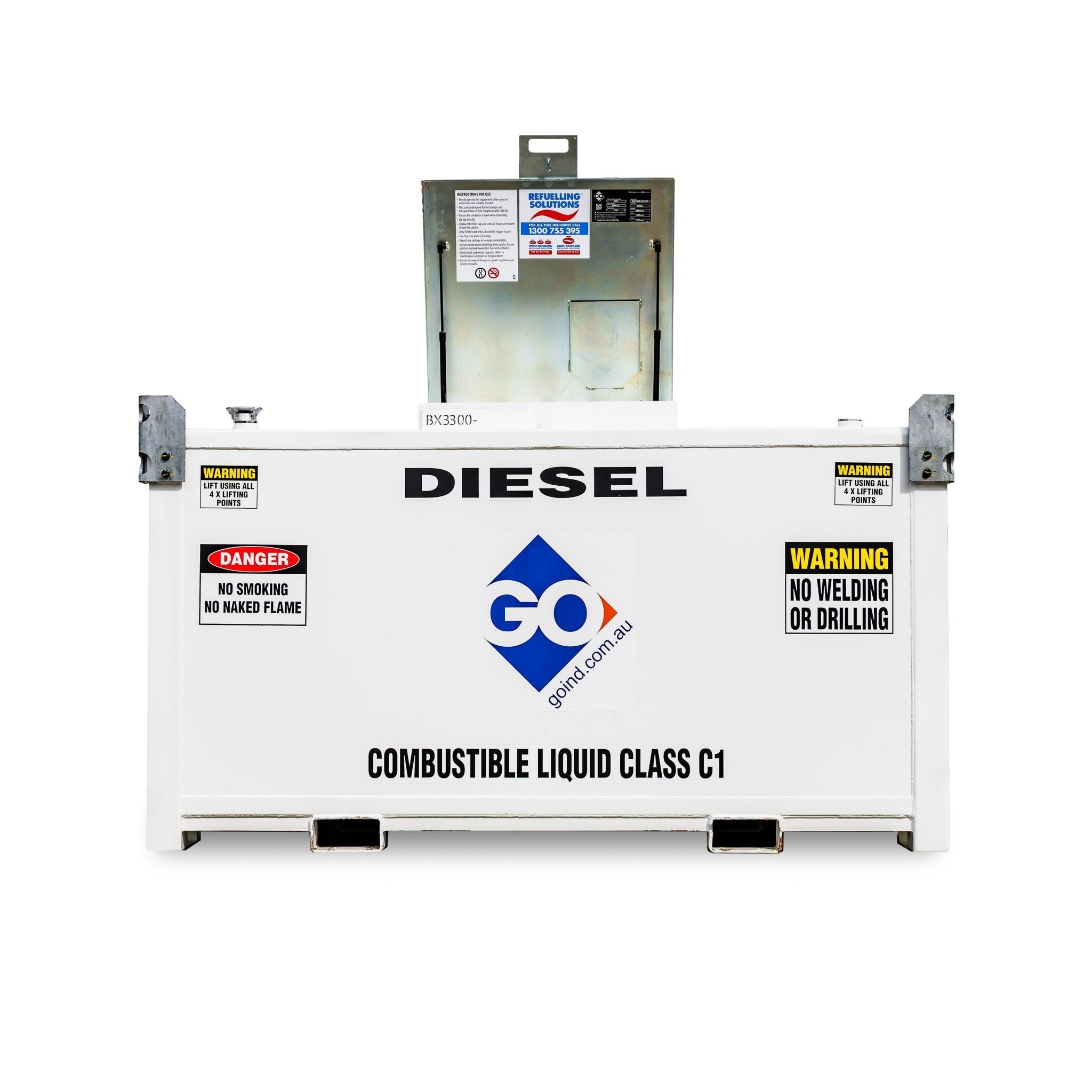
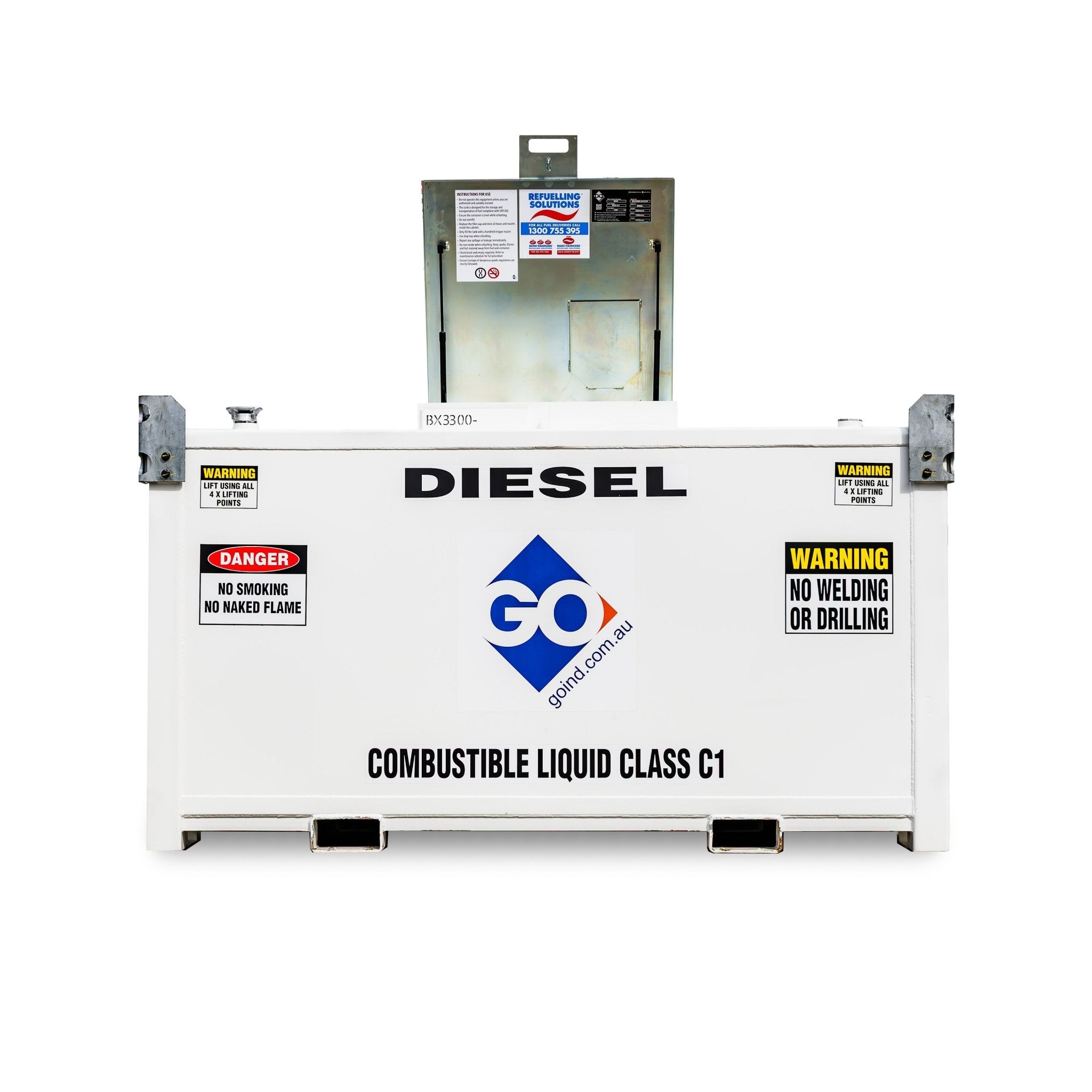
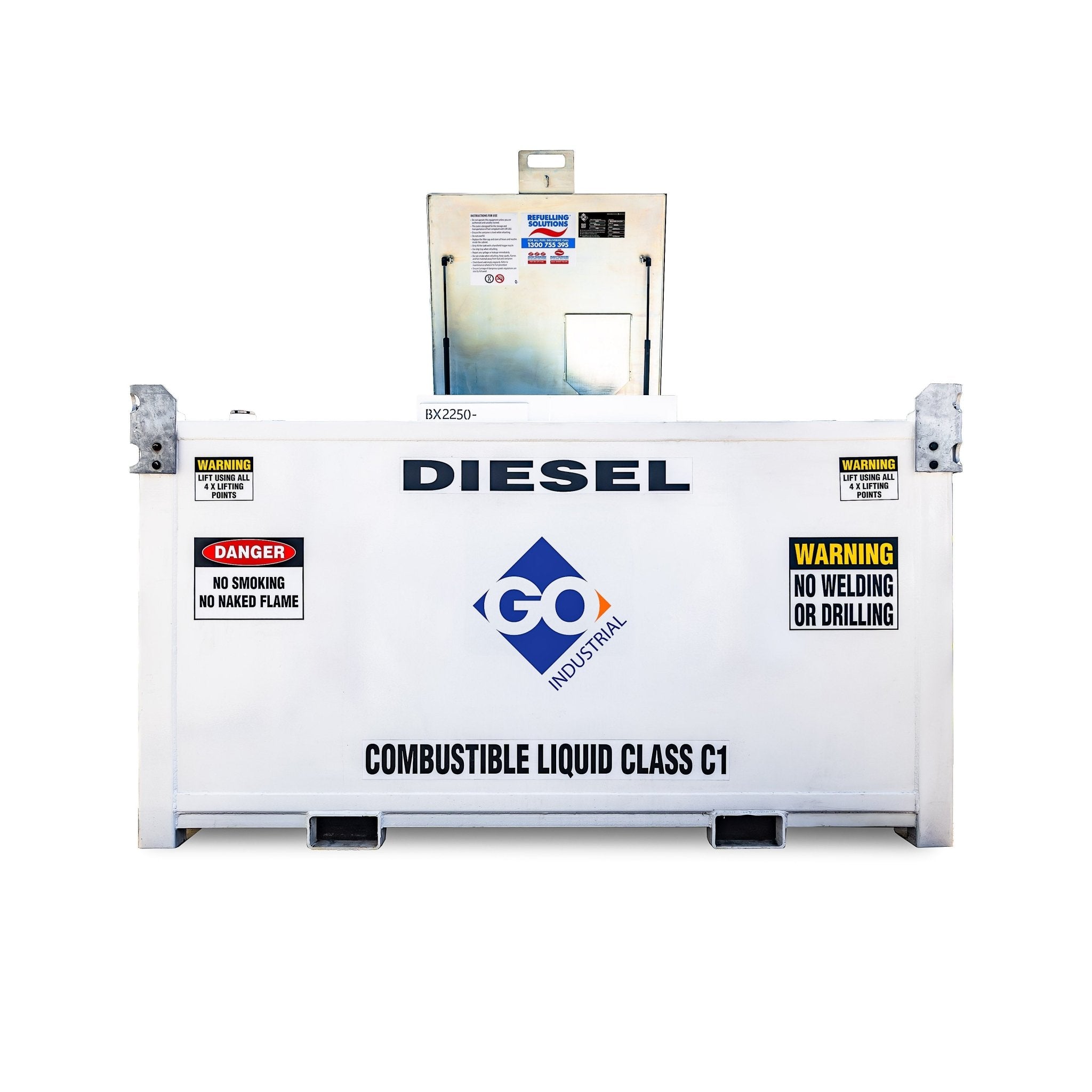
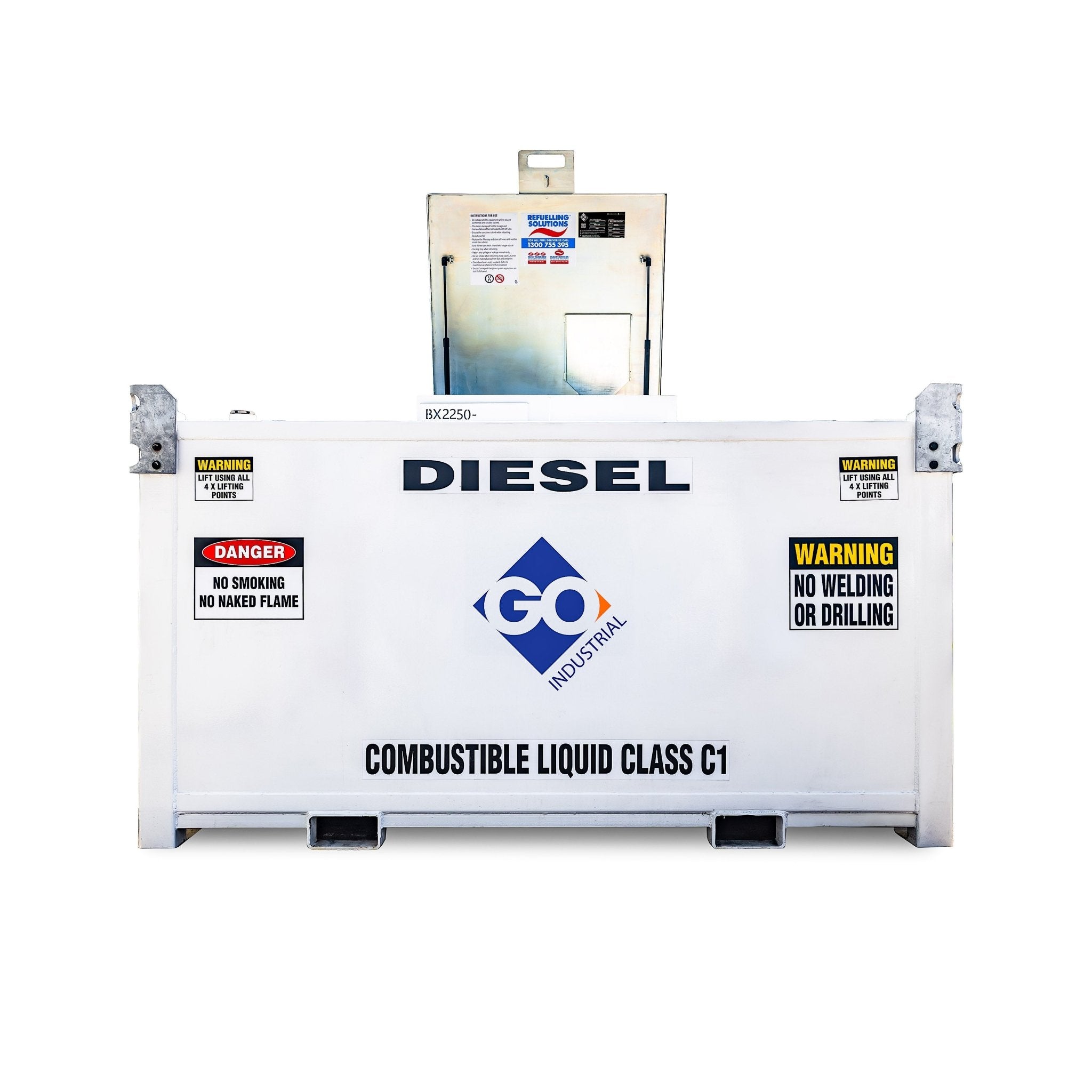
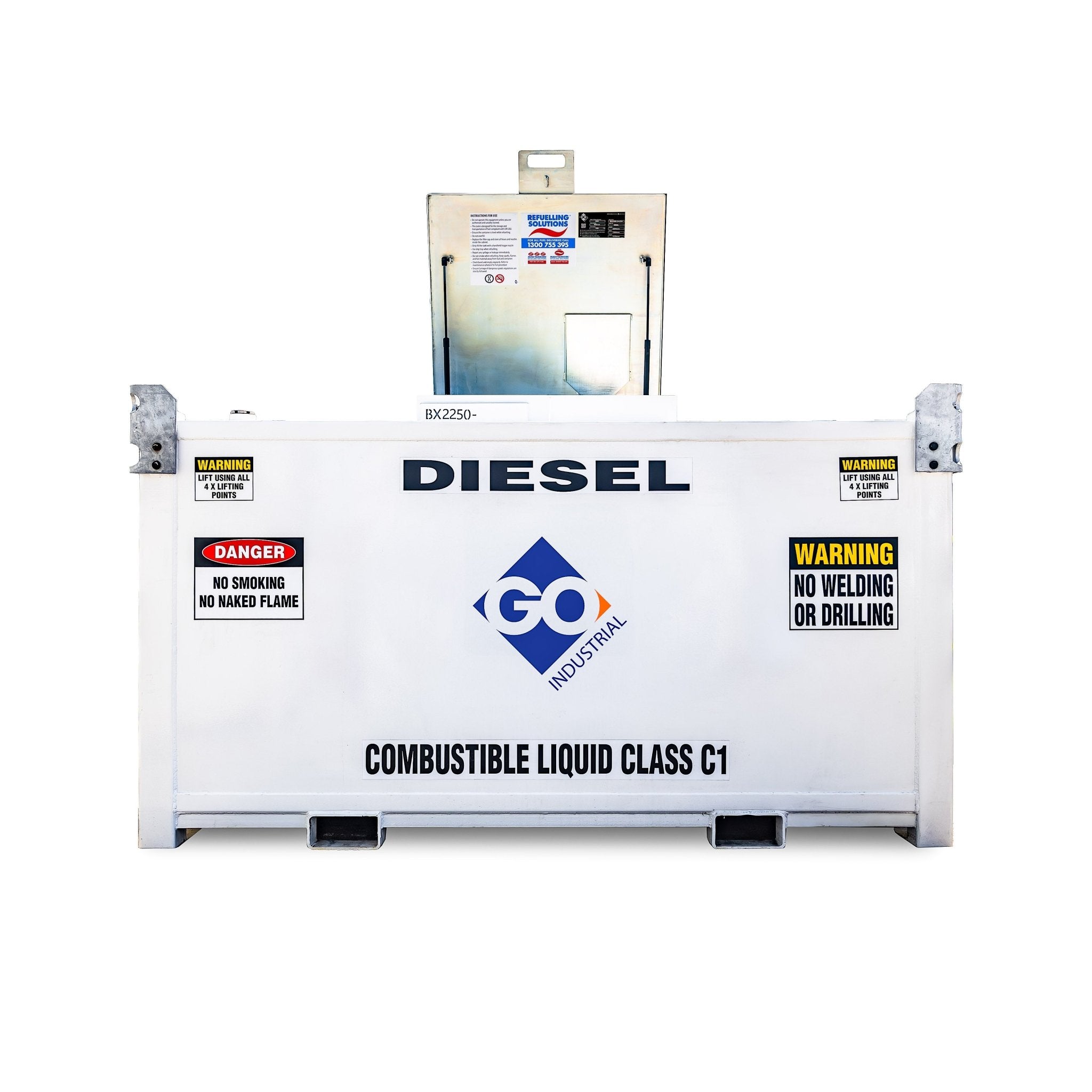
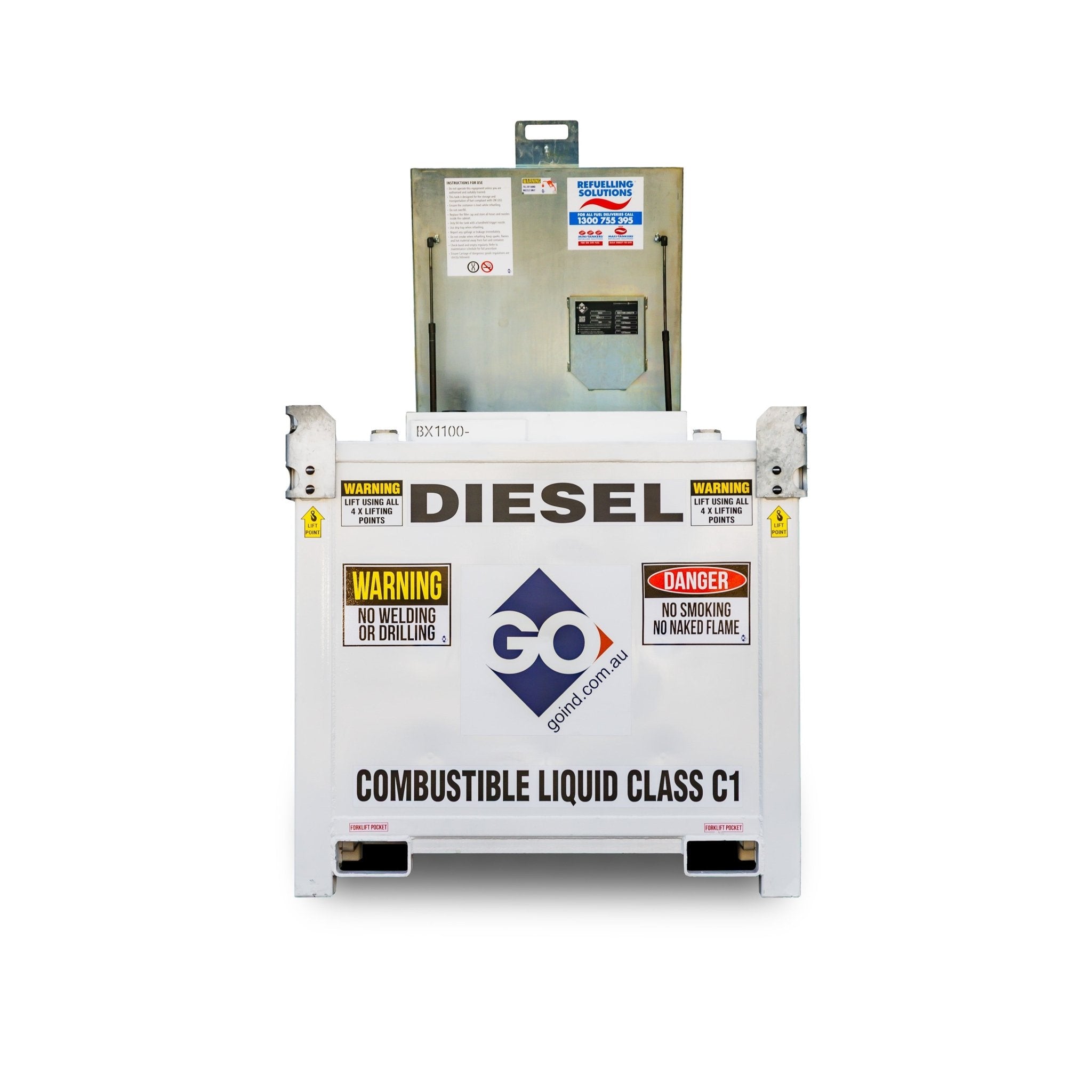
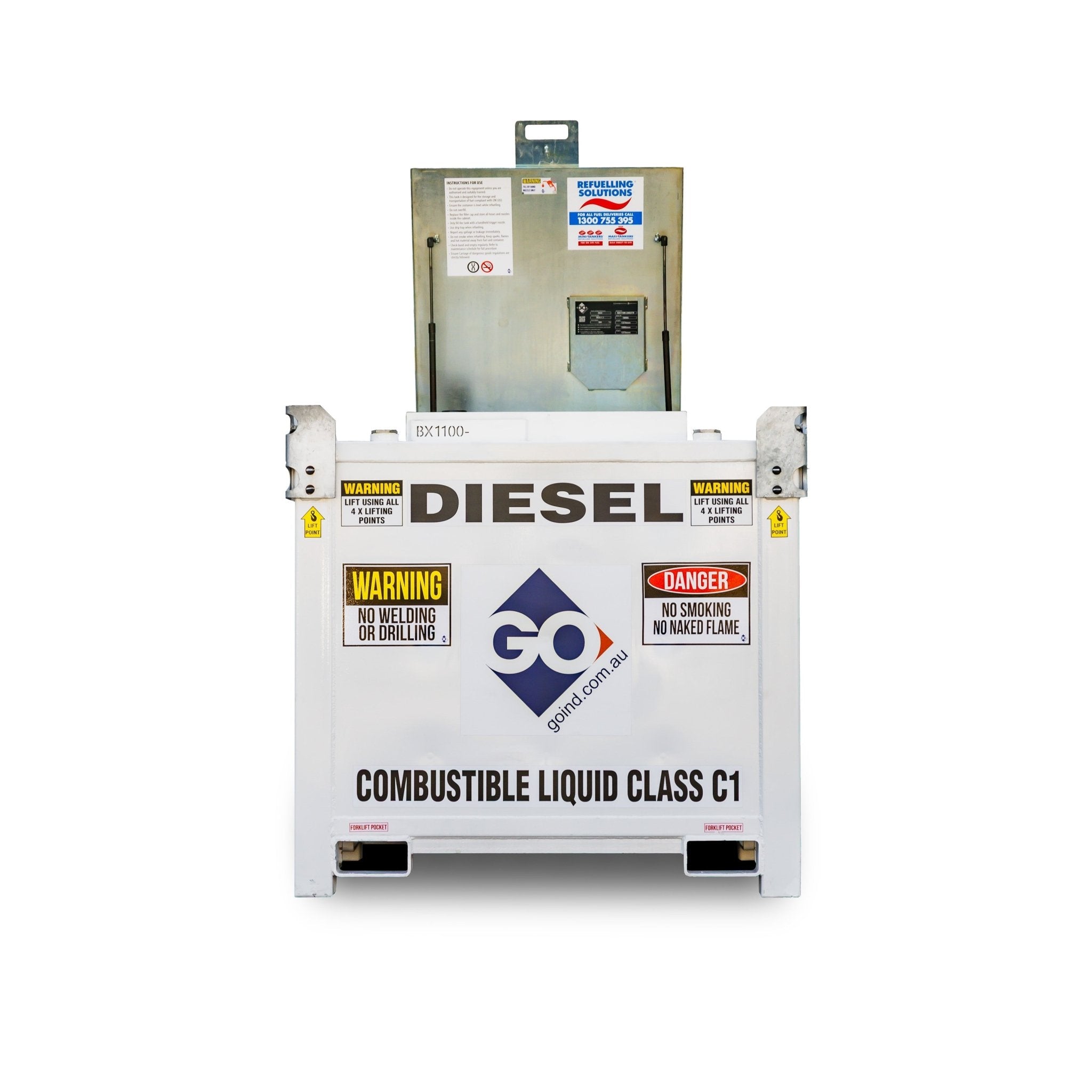
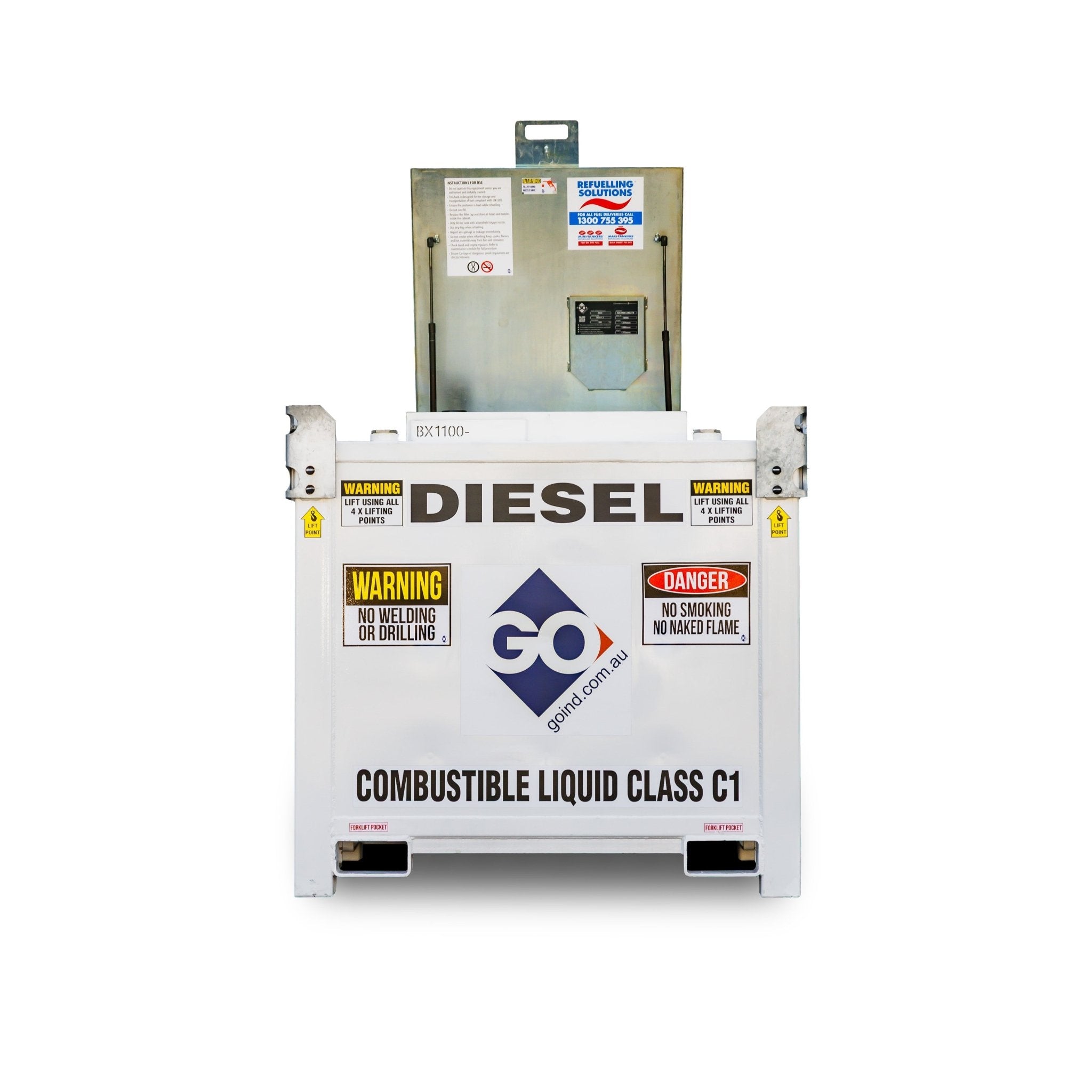
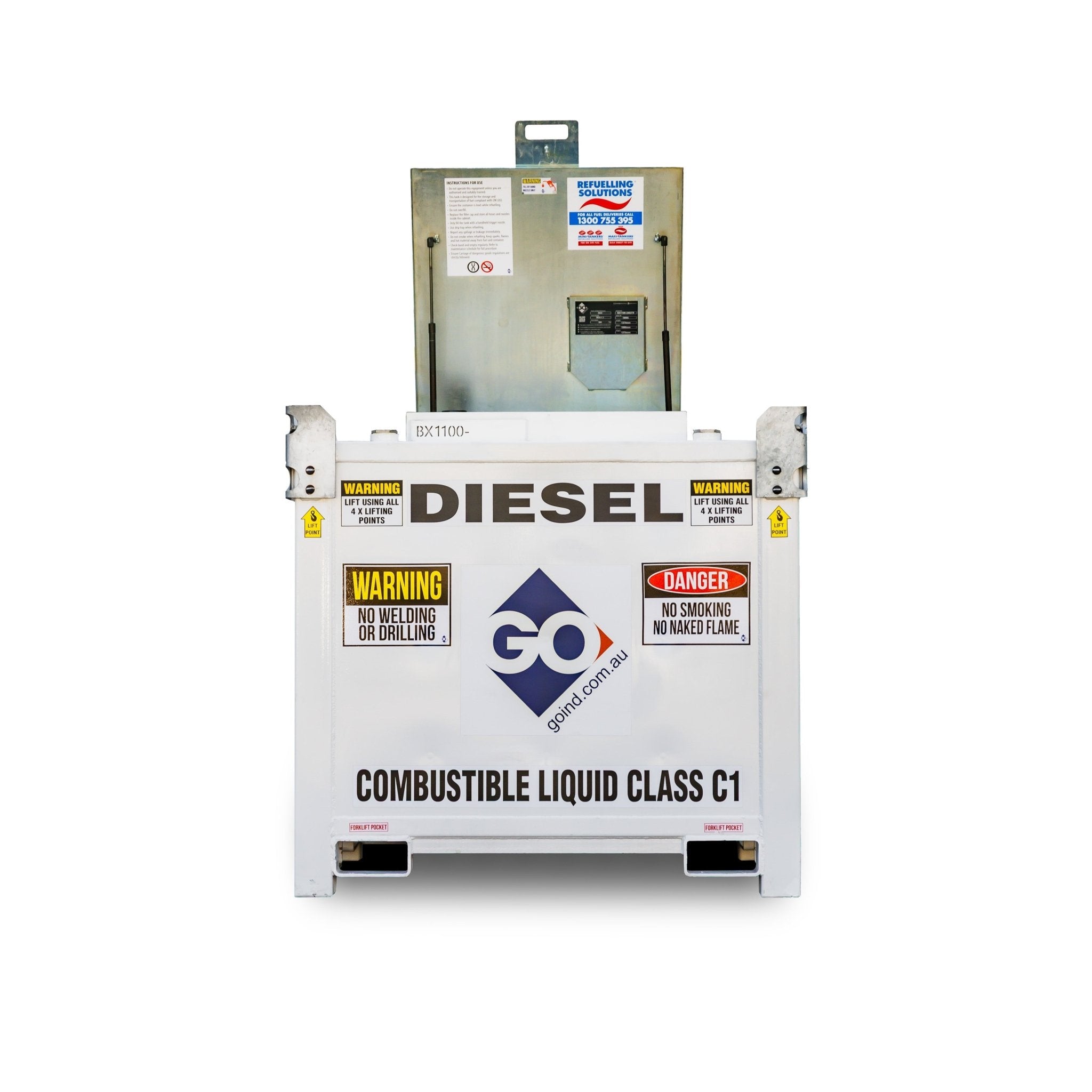
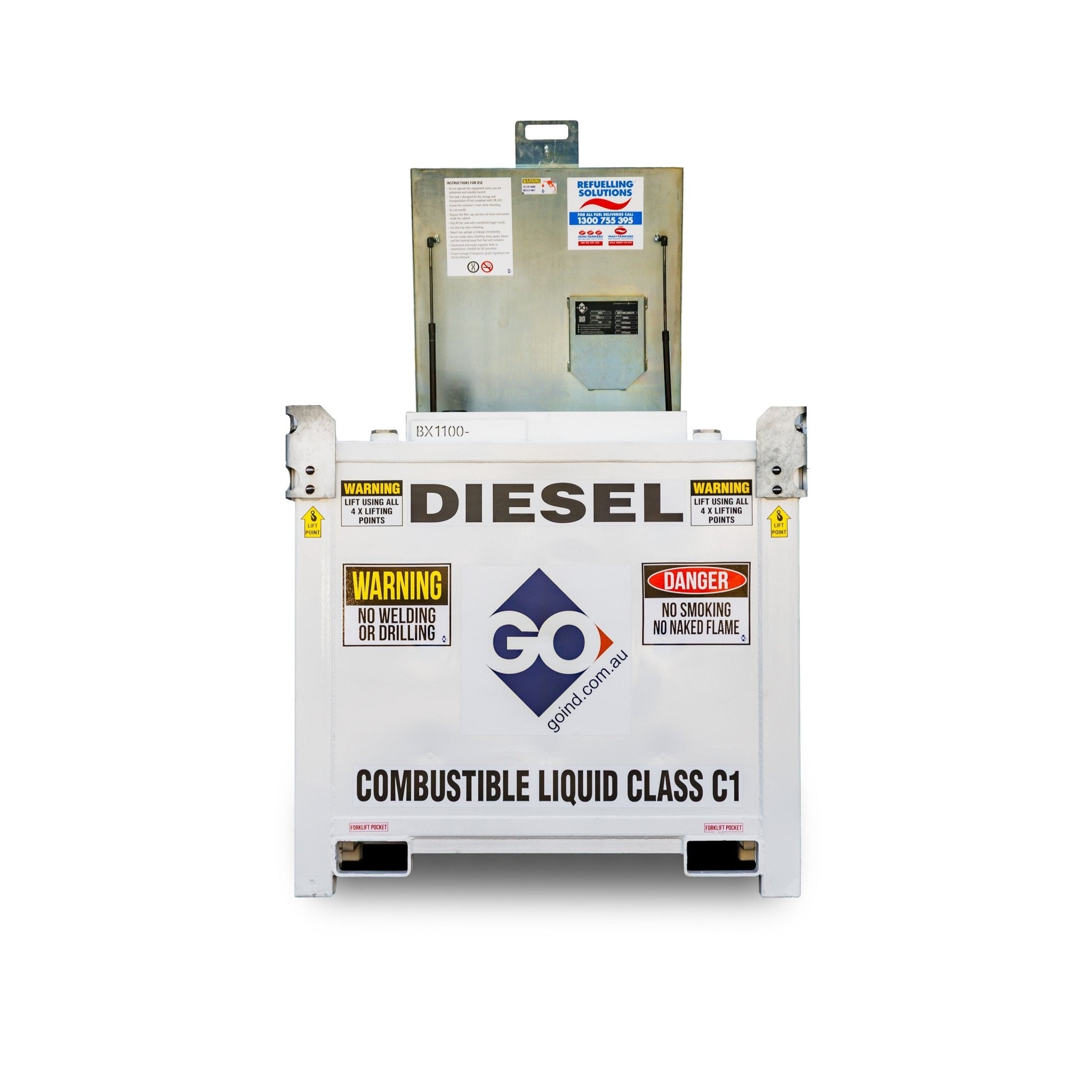
Compare Tank Ranges
| GO BOX | GO STORE | GO CON | Fire Rated | |
|---|---|---|---|---|
| Capacity Range | 250L-11,000L | 5,500L-16,000L | 12,000L-110,000L | Various |
| Transport Approved | ✓ Yes (UN31A/Y) | - | ✓ Yes (CSC) | - |
| Best For | Mobile & portable | Fleet depots & farms | Remote & bulk sites | Constrained urban sites |
| AS1940 Certified | ✓ Yes | ✓ Yes | ✓ Yes | ✓ Yes (UL2085) |
| Max Capacity | 11,000L | 16,000L | 110,000L | Various |
| Separation Distance | Standard 3m | Standard 3m | Standard 3m | Reduced to 1.5m |
GO BOX
- Capacity Range
- 250L-11,000L
- Transport Approved
- Yes (UN31A/Y)
- Best For
- Mobile & portable
- AS1940 Certified
- Yes
- Max Capacity
- 11,000L
- Separation Distance
- Standard 3m
GO STORE
- Capacity Range
- 5,500L-16,000L
- Transport Approved
- No
- Best For
- Fleet depots & farms
- AS1940 Certified
- Yes
- Max Capacity
- 16,000L
- Separation Distance
- Standard 3m
GO CON
- Capacity Range
- 12,000L-110,000L
- Transport Approved
- Yes (CSC)
- Best For
- Remote & bulk sites
- AS1940 Certified
- Yes
- Max Capacity
- 110,000L
- Separation Distance
- Standard 3m
Fire Rated
- Capacity Range
- Various
- Transport Approved
- No
- Best For
- Constrained urban sites
- AS1940 Certified
- Yes (UL2085)
- Max Capacity
- Various
- Separation Distance
- Reduced to 1.5m
Common Questions
Do I need council approval to install a self-bunded tank in Australia?
In most Australian states, a self-bunded tank that meets AS1940 requirements can be installed without a development permit - but notification to your local fire authority is often required, particularly above 5,000L. Requirements vary by state, council and site classification. Our team can advise on the notification process for your location and help prepare any required AS1940 documentation.
What is the difference between a self-bunded tank and a single-skin tank?
A single-skin tank holds fuel in one steel shell with no built-in containment - a separate bunded compound or drip tray is required by AS1940 to capture spills. A self-bunded tank has a double-skin construction where the inner tank sits inside an outer shell, providing 110% secondary containment built into the tank itself. No separate bunding required, which significantly reduces site preparation costs and approval complexity.
What size self-bunded tank do I need for my fleet?
A useful starting point: calculate your weekly diesel consumption, then multiply by two for a minimum tank size. That gives you a two-week buffer - enough to avoid running dry between deliveries. For example, five vehicles averaging 200L per week each means 1,000L weekly consumption, so a 2,500L tank gives comfortable headroom. Our team can help you size accurately based on your fleet and delivery frequency.
Can a self-bunded tank be used for petrol storage?
Yes, but petrol storage has stricter requirements than diesel under AS1940. Petrol tanks require explosion-proof (EX-rated) pumps, earthing and bonding kits, and specific venting configurations to manage vapour. Standard diesel-configured self-bunded tanks are not automatically suitable for petrol. Contact our team to confirm the correct specification for petrol storage before purchasing - the wrong configuration creates a serious safety and compliance risk.
What pump and dispensing equipment do I need with a self-bunded tank?
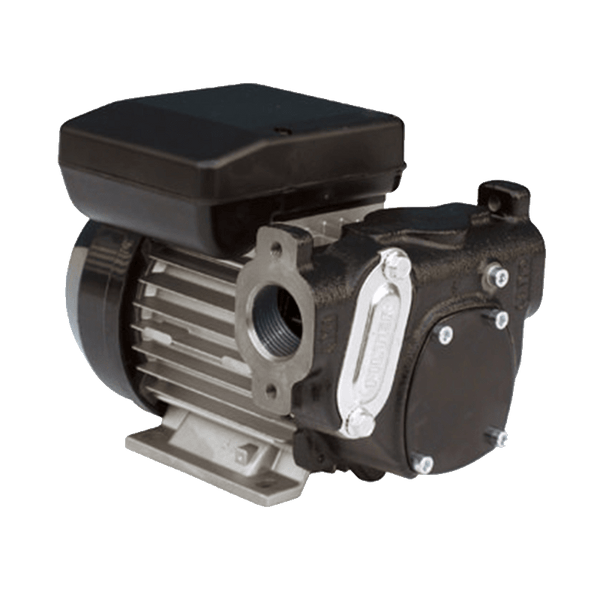
Self-bunded tanks ship without a pump as standard - you choose the dispensing setup that suits your operation. For most fleet diesel applications, a 12V or 240V pump kit including pump, flow meter, hose reel and auto-shutoff nozzle is the starting point. If you need driver-level fuel accountability and cloud reporting, add an iFUEL fuel management system. We offer pre-configured tank packages that combine tank and dispensing equipment - or our team can specify components separately.
Not sure which tank suits your site?
Our team can recommend the right range, capacity, and configuration based on your operation.