


Flow Meters
Mechanical and electronic flow meters for diesel, oil, AdBlue, and petrol — DN15 to DN80
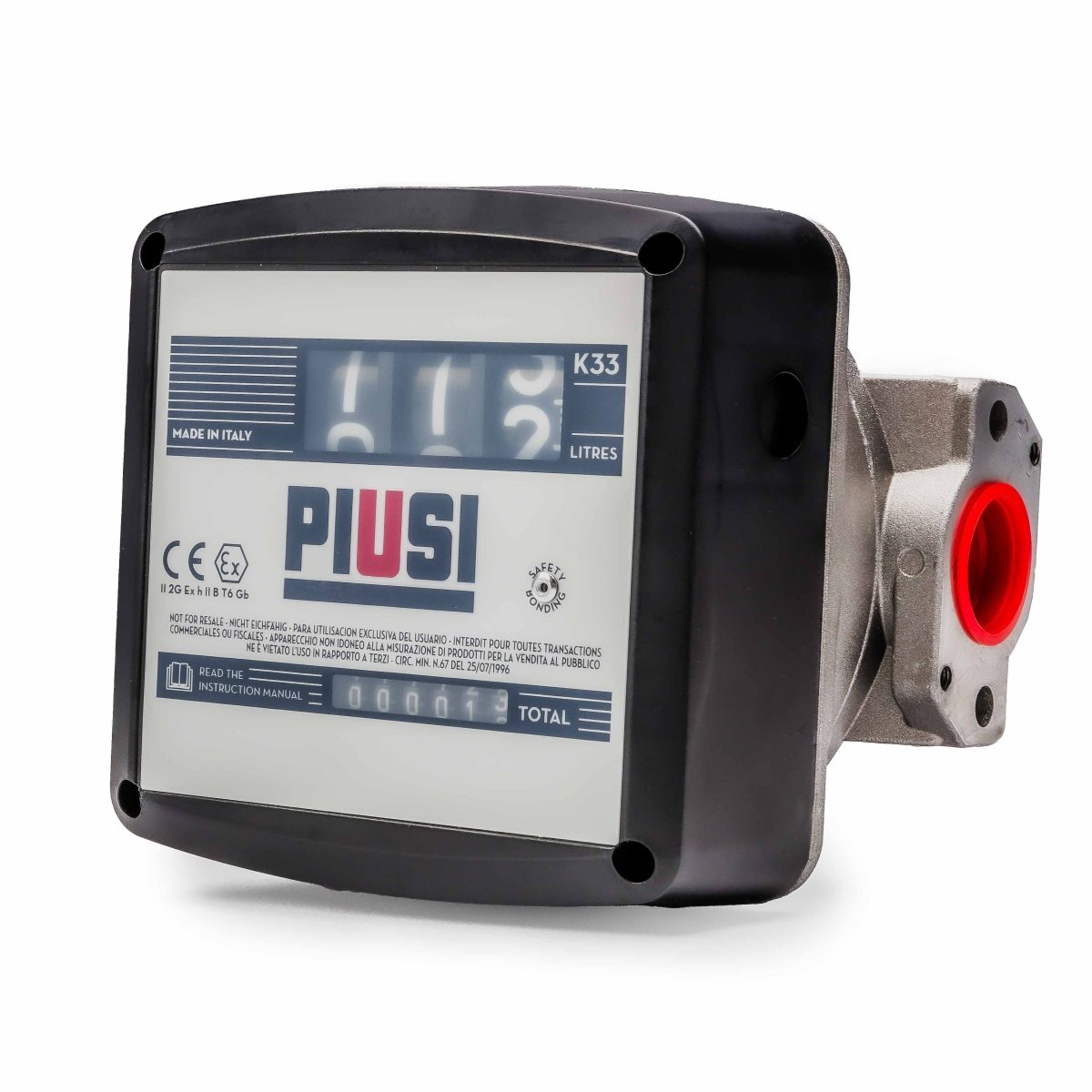
Mechanical and electronic flow meters for diesel, oil, grease, petrol, and AdBlue - from simple 3-digit mechanical counters to ATEX-certified pulse meters for hazardous area installations. Stocking Piusi, Adam by Piusi, GPI, and Graco meters from DN15 to DN80.
Filters
1 product
Common Questions
Mechanical or electronic — which is better?
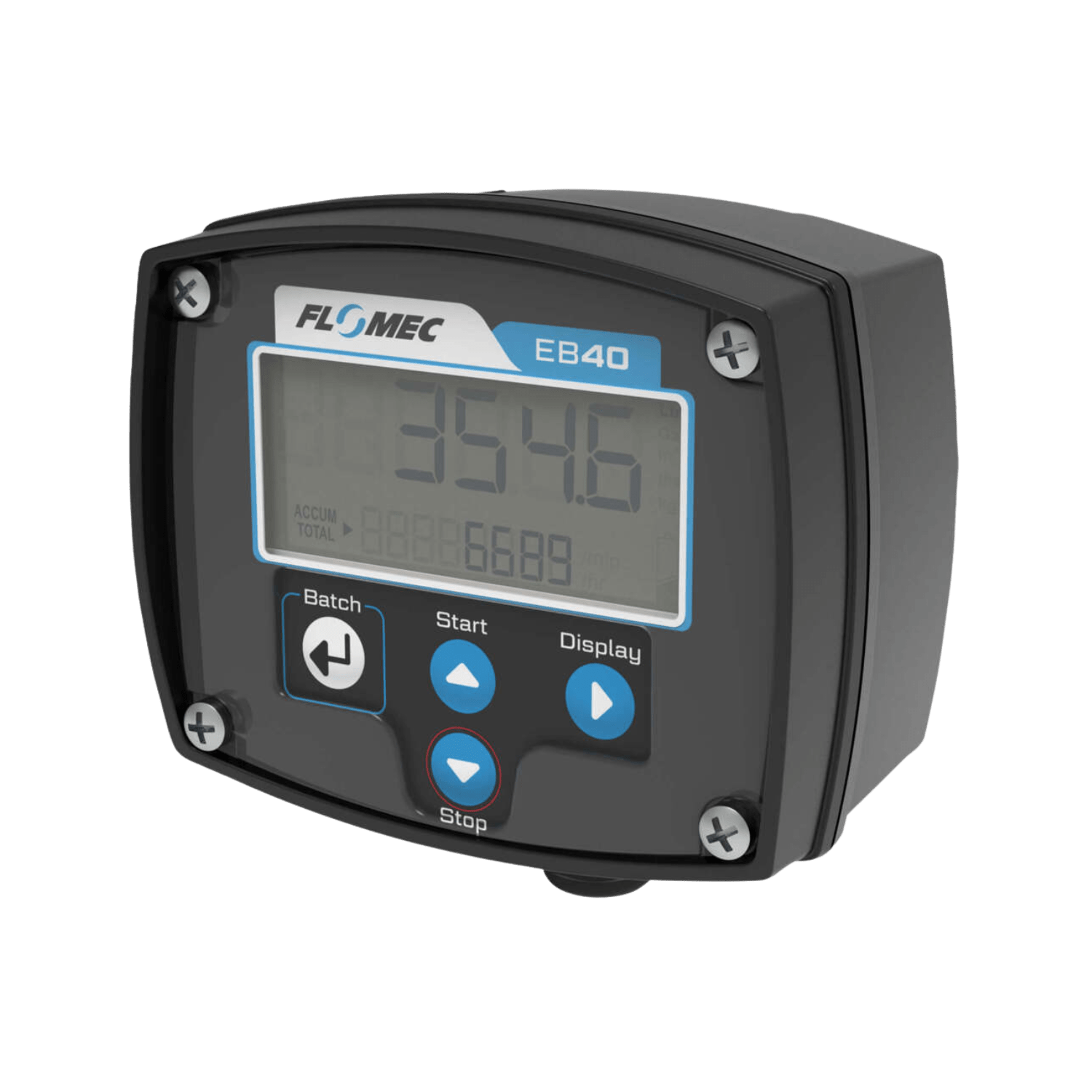
Mechanical meters are simpler, cheaper, and don't need power. Electronic meters offer higher accuracy, resettable batch counters, and pulse output for FMS integration. Choose electronic if you need accountability or automated tracking.
Do I need an ATEX-rated meter?
Only if the meter is installed in a classified hazardous zone or used with flammable liquids (petrol, aviation fuel). Diesel applications in standard environments do not require ATEX rating.
How often should meters be calibrated?
Most meters should be calibration-checked annually. NMI trade-approved meters (bowser/dispenser meters) have mandatory calibration intervals. Non-trade meters can be field-calibrated using the adjustment screw and a known volume.
What's the difference between a pulse meter and a display meter?
Display meters show the volume on a built-in readout. Pulse meters output electronic pulses per unit volume for connection to fuel management systems, PLCs, or tank gauges. Some meters offer both display and pulse output.
Need help choosing the right meter?
Tell us your fluid type, flow rate, and whether you need FMS integration — we'll recommend the right meter.