


Prevent Contamination Before It Costs You
Fuel Hygiene
THE SILENT KILLER OF FUEL SYSTEMS
Diesel bug (Hormoconis resinae fungus) is the silent killer of fuel systems. Microbial contamination blocks filters, damages injectors, and corrodes tank internals. Preventive treatment costs $200-300 per tank — versus $10,000+ in injector repairs, filter replacements, and equipment downtime when contamination takes hold.
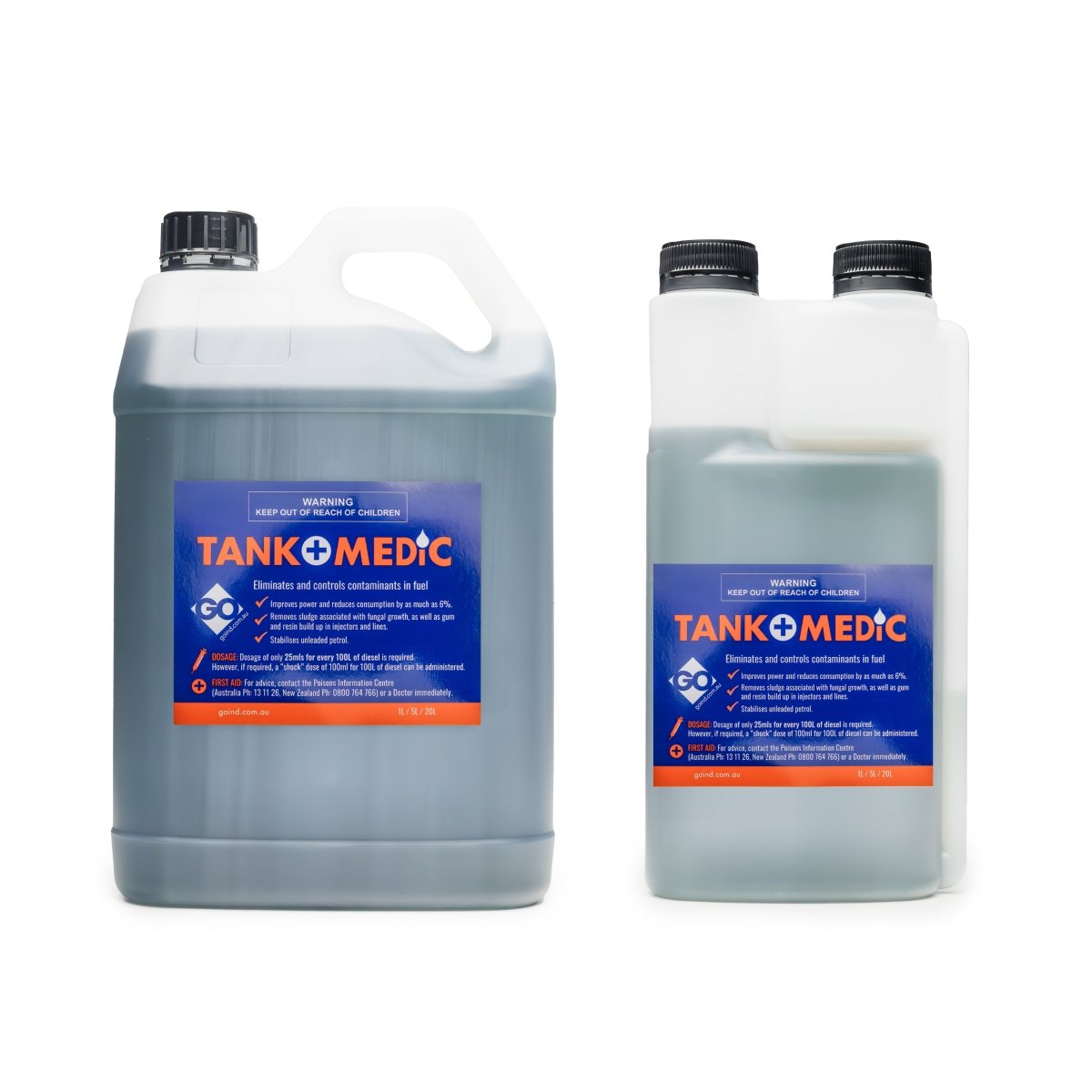
Preventive Treatment
THE GO TANK MEDIC PROGRAM
1. Fuel sample collection & water test — Orange paste method to detect water presence at tank base
2. Contamination level assessment — Visual and chemical assessment of fuel quality and microbial activity
3. GO Tank Medic biocide dosing — Industry-grade biocide treatment to eliminate active microbial growth
4. Fuel conditioning treatment — Stabiliser and anti-corrosion additive to protect tank internals
5. Post-treatment verification — Follow-up fuel quality check to confirm treatment effectiveness
6. Preventive dosing schedule — Ongoing treatment program tailored to your tank size and throughput
Request a QuoteWarning Signs
SIGNS OF CONTAMINATION
Diesel bug can develop undetected for months. Watch for these warning signs — early intervention prevents costly damage.
Blocked Filters
Frequent filter replacements are the most common early warning sign of microbial contamination in your fuel system
Dark or Cloudy Fuel
Healthy diesel is clear and bright. Dark, hazy, or cloudy fuel indicates water contamination or microbial growth
Sludge Deposits
Visible sludge or biomass on tank walls, in filters, or at the tank base indicates advanced contamination
Injector Damage
Contaminated fuel causes injector erosion, poor spray patterns, and reduced engine performance
Foul Smell
A rotten egg or sulphur-like smell from fuel is a strong indicator of anaerobic microbial activity in the tank
$200
Preventive Treatment Cost
$10,000+
Injector Repair Cost
6 Monthly
Recommended Treatment
Frequently Asked Questions
Diesel bug is the common name for Hormoconis resinae, a fungus that thrives at the water-fuel interface in diesel tanks. It forms a biomass that blocks filters, corrodes tank internals, and damages fuel injectors. It's particularly common in tanks with low throughput or infrequent use, where water accumulates at the tank base.
Three key steps: keep water out of your tank (regular water drainage, good seals, proper venting), maintain fuel turnover (avoid storing diesel for extended periods), and use preventive biocide treatment (GO Tank Medic) on a 6-monthly schedule. Regular fuel quality testing catches problems early.
We recommend 6-monthly preventive treatment for most sites. High-risk sites (low throughput, coastal or humid environments, tanks exposed to temperature cycling) should consider quarterly treatment. Each treatment is quick — typically 30-60 minutes per tank.
The earliest sign is increased filter blocking frequency. Other indicators include dark or cloudy fuel, sludge deposits in the tank, foul smell from fuel, poor engine performance, and visible biomass on filters or in fuel samples. If you notice any of these, contact us for an assessment before the damage escalates.