
Tank Breathers and Vents - GO Fill

Tank Breathers and Vents

Desiccant breathers, updraft vents, and pressure-vacuum relief vents — DN20 to DN50

Desiccant breathers, updraft vents, and pressure-vacuum relief vents for above-ground fuel storage tanks. Donaldson TRAP desiccant breathers remove moisture and particulate from tank headspace air - protecting stored fuel from water ingress and contamination.

Moisture Protection
Donaldson TRAP
Fast Dispatch
Technical Support

Filters

Filters
Sort by:

8 products

DONALDSON TRAP LED DN25 Tank Breather 1" M NPT - GO Fill
DONALDSON TRAP DN20 Mobile Tank Breather Anti - Splash 3/4" BSP - GO Fill
DONALDSON TRAP DN25 Mobile Tank Breather Anti - Splash 1" BSP - GO Fill
FILTER BREATHER DONALDSON TRAP DN40 (1 1/2") F BSP - GO Fill
DONALDSON Bulk Tank Breather for P506159 - GO Fill
DONALDSON TRAP DN20 Tank/Drum Breather 3/4" M BSP - GO Fill
MORRISON Pressure Vacuum Vent 50mm 8oz - GO Fill
Save $13.00
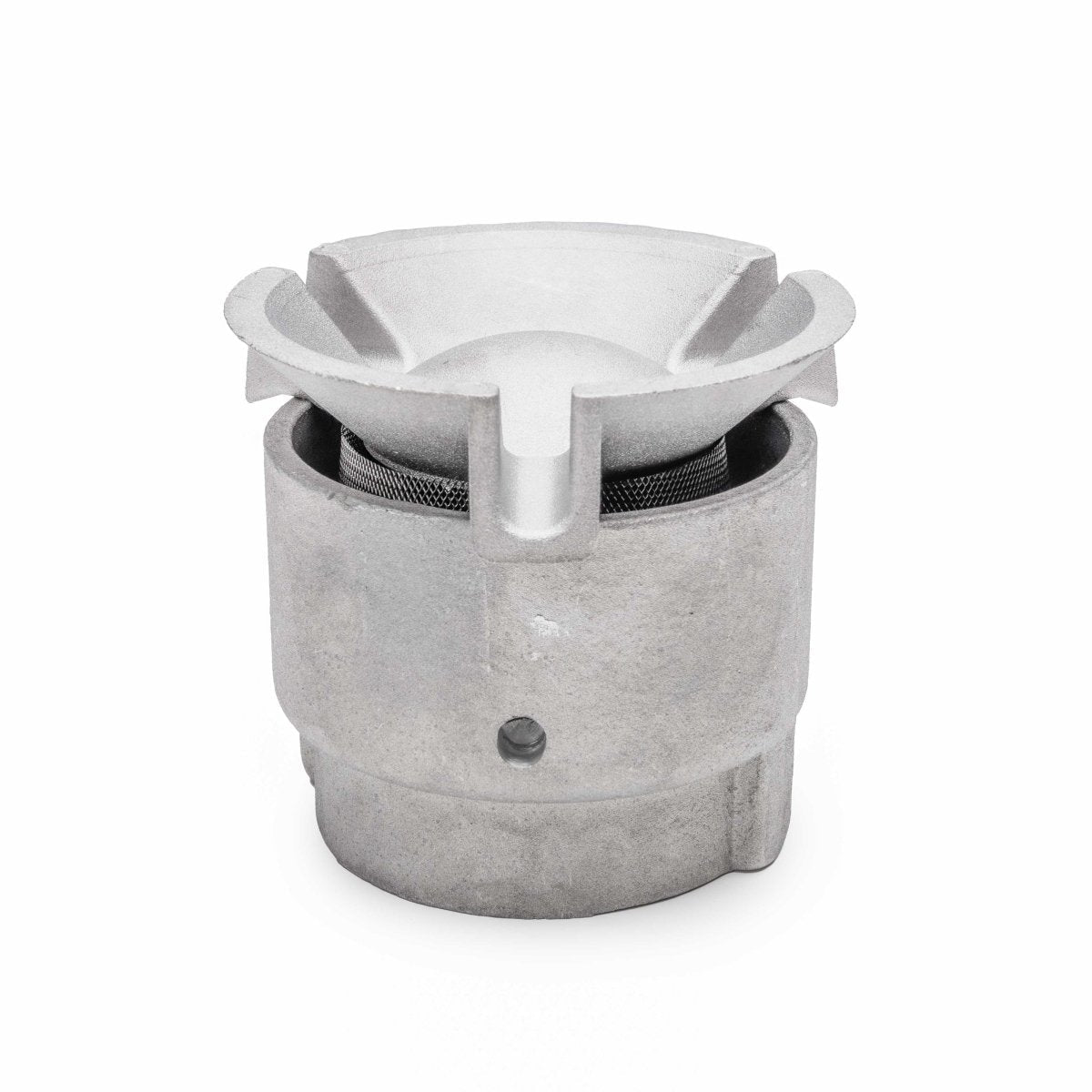
GO DN50 Updraft Vent - GO Fill
GO DN50 Updraft Vent VENT-UDSKU: VENT-UD Sale price$130.00 Regular price$143.00
BUYING GUIDE

How to Choose

1

Match thread size to your tank

2

Stationary or mobile?

3

Stock spare breathers

ABOUT THIS RANGE

Protect stored fuel from moisture and contamination

Every fuel tank breathes — air enters as fuel is drawn out. Donaldson TRAP desiccant breathers remove moisture and particulate from incoming air, preventing water ingress, condensation, and microbial contamination in stored fuel.

Desiccant breathers for stationary tanks

TRAP breathers use silica gel desiccant to absorb moisture from incoming air. Colour-change indicators show when the desiccant is exhausted and needs replacement. Available in DN20 to DN50 thread sizes for drums, portable tanks, and bulk storage.

Anti-splash breathers for mobile tanks

Mobile and transport tank breathers include anti-splash guards that prevent fuel from escaping through the vent during transport movement. Essential for any tank that moves on vehicles or trailers.

FAQ

Common Questions

Why do fuel tanks need breathers?

As fuel is pumped out of a tank, air must enter to equalise pressure — otherwise the tank can collapse under vacuum. A breather allows air in while filtering out moisture and particulate contamination. Without a breather, condensation forms inside the tank, promoting microbial growth (diesel bug) and corrosion.

How often should desiccant breathers be replaced?

When the colour-change indicator shows the desiccant is saturated. In humid environments this may be every 3–6 months. In dry conditions, a breather can last 12+ months. Always stock a spare breather for each tank.

What's the difference between a breather and a pressure-vacuum vent?

A breather allows free air flow in and out of the tank while filtering moisture and particulate. A pressure-vacuum (PV) vent only opens at set pressure thresholds — it controls vapour emissions and prevents tank deformation under extreme temperature changes. Larger tanks typically use both.
Need breathers for your tank installation?

Tell us your tank type, thread size, and whether it's stationary or mobile — we'll recommend the right breather.