


Filtration Selection Guide - GO Fill
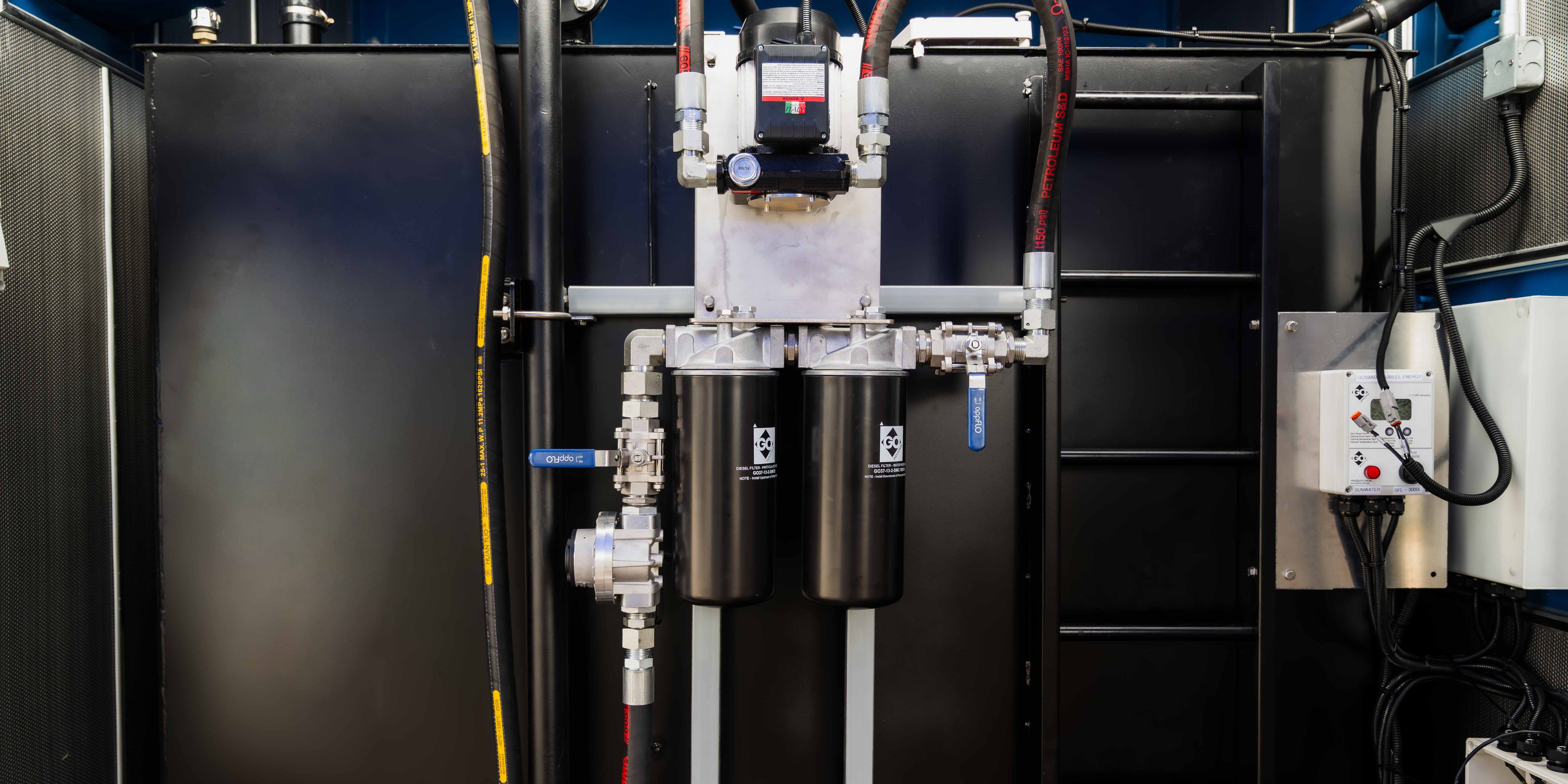
Resource Guide
Choose the right fuel filter for your application — micron rating, filter type, flow rate, and thread size. Protect your engines and extend equipment life.
Modern common-rail diesel injectors operate at 2,000+ bar with tolerances measured in microns. A single grain of dirt or drop of water can score an injector nozzle, causing poor combustion, increased emissions, and eventual failure. Injector replacement costs $500–$2,000 per cylinder. A quality fuel filter costs $50–$200 and prevents this damage entirely.
Step 1
Choose Your Micron Rating
Organize content into multiple columns to share useful information to your customers about your products, values...
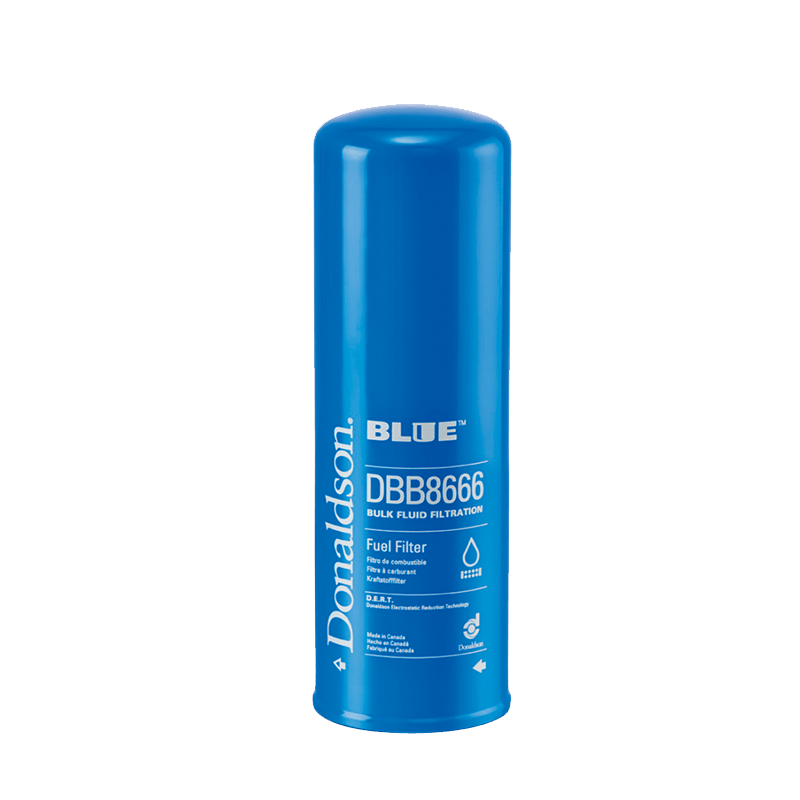
4µm Particulate
Use for: Aviation fuel, high-pressure common-rail diesel, critical applications.
Catches: Fine silt, rust particles, and wear metals that damage precision injectors.
Trade-off: Higher restriction, more frequent element changes.
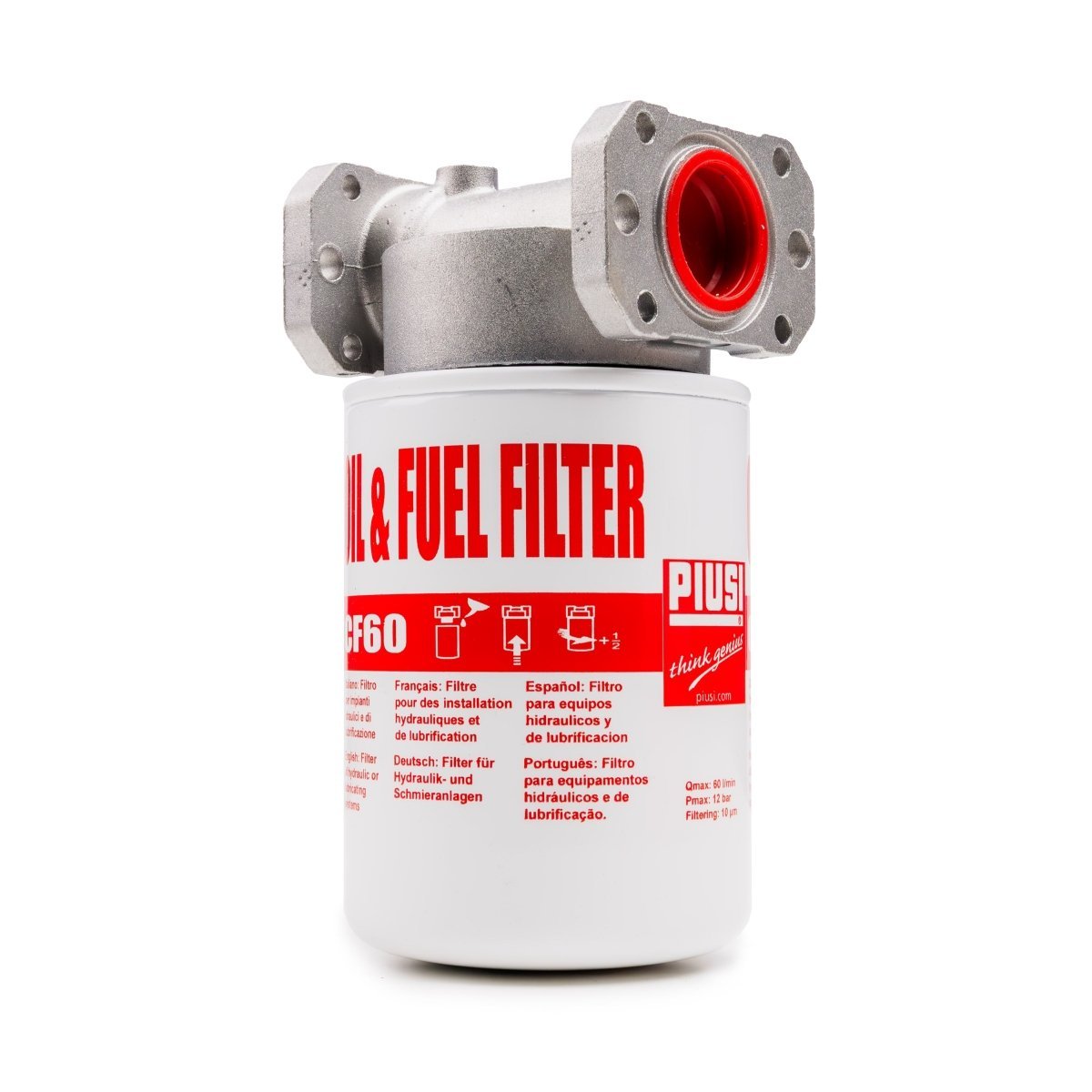
10µm Particulate
Use for: Standard diesel dispensing into modern vehicles and plant.
Catches: Dirt, rust, and debris above 10 microns. The recommended minimum for common-rail engines.
Most popular choice for tank dispensing.
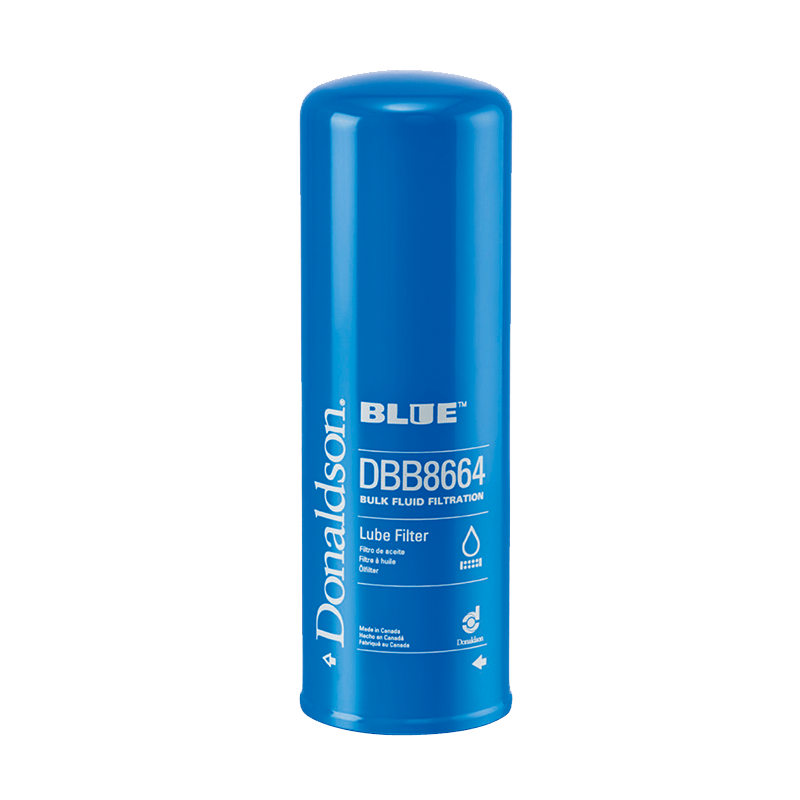
25µm Particulate
Use for: Pre-filtration, bulk transfer, older engines, heavy oils.
Catches: Coarse debris, rust flakes, and large particles.
Use as a first-stage filter before a finer second stage.
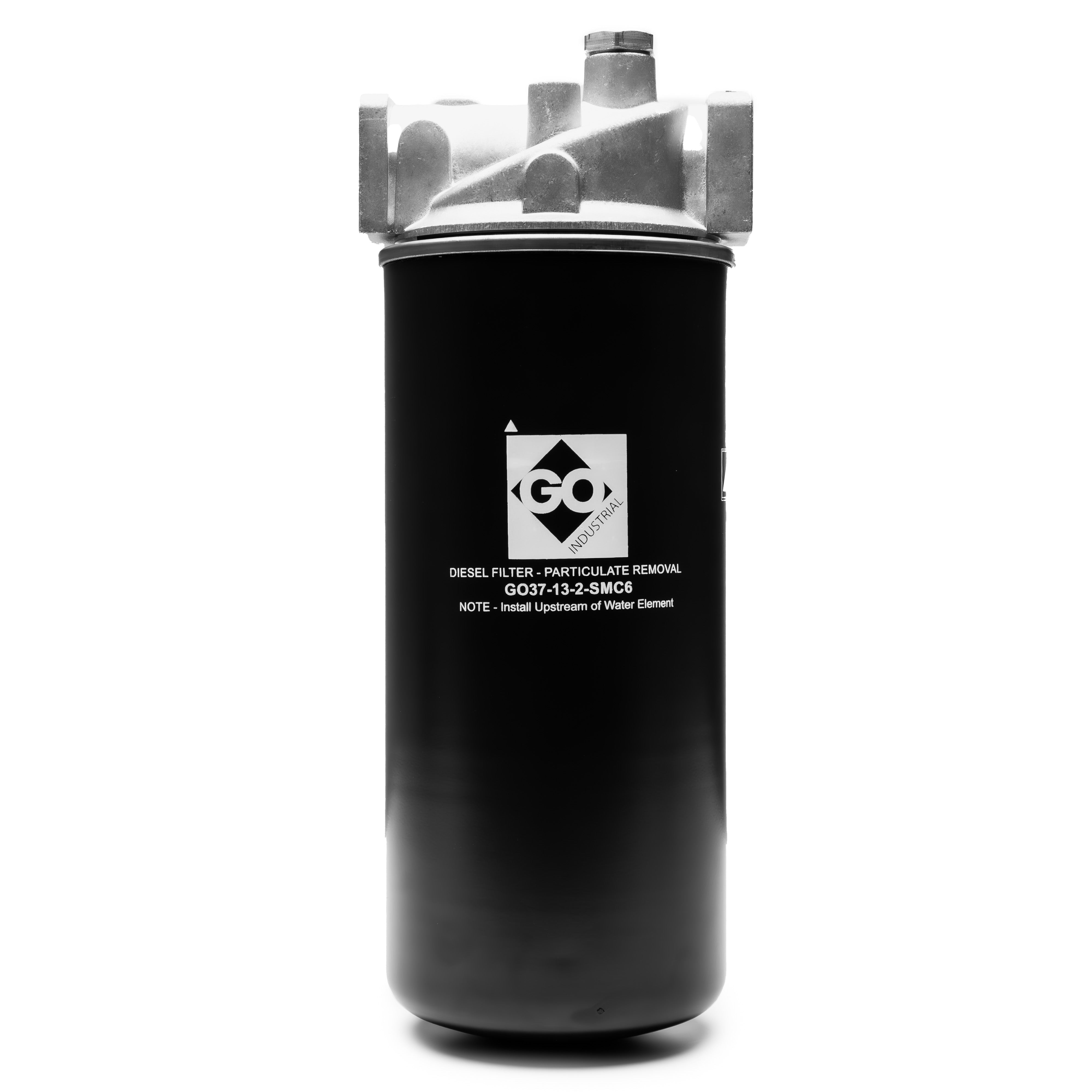
Water Separation
Use for: Any diesel stored more than 2 weeks. Essential for farm tanks, standby generators, and seasonal equipment.
Removes: Free and emulsified water that causes diesel bug and injector corrosion.
Combine with particulate filter for dual-stage protection.
Step 2
Choose Your Filter Type
Organize content into multiple columns to share useful information to your customers about your products, values...
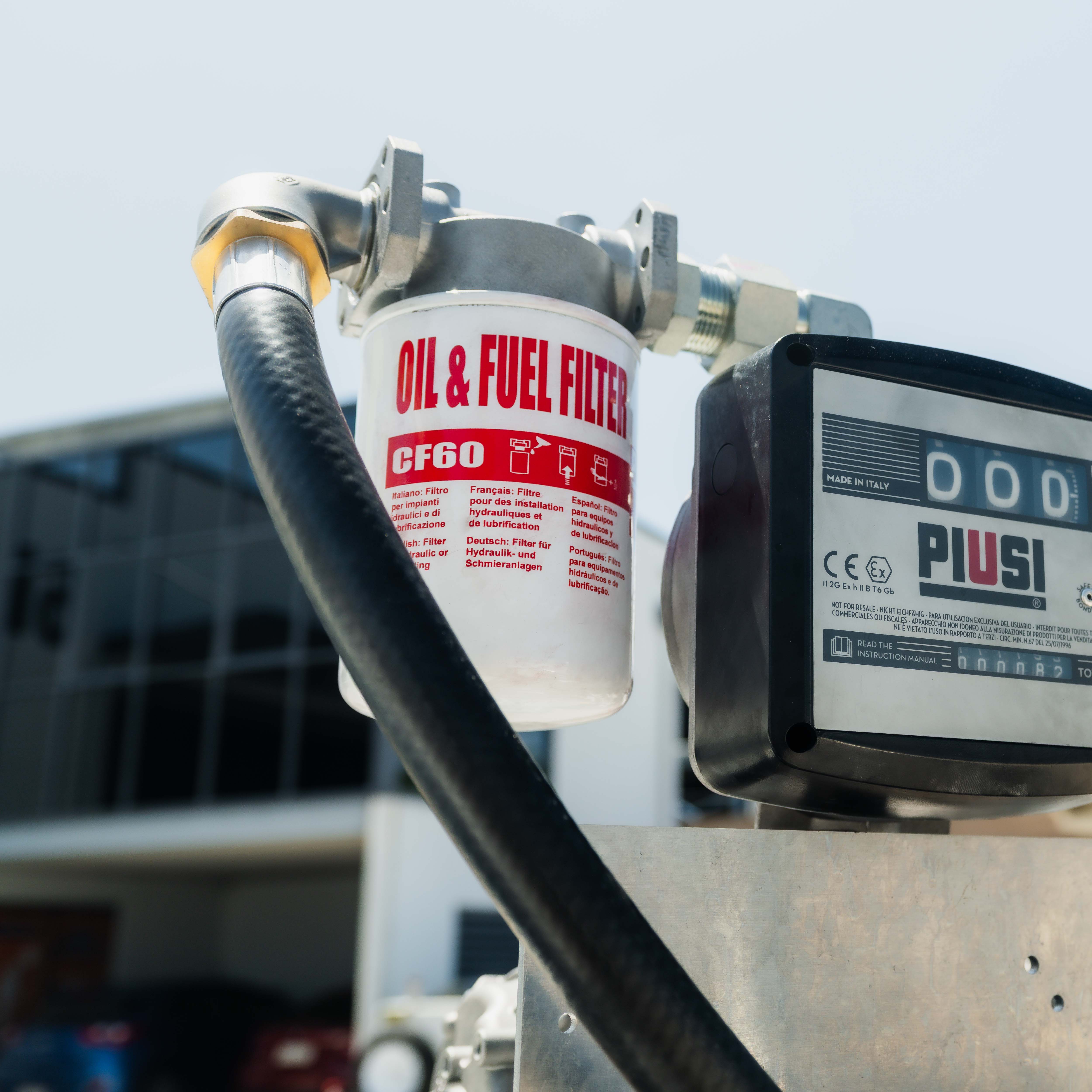
Single-Stage Particulate
One filter element removes dirt and debris. The simplest and cheapest option. Suitable for clean fuel environments where water contamination is not a concern.
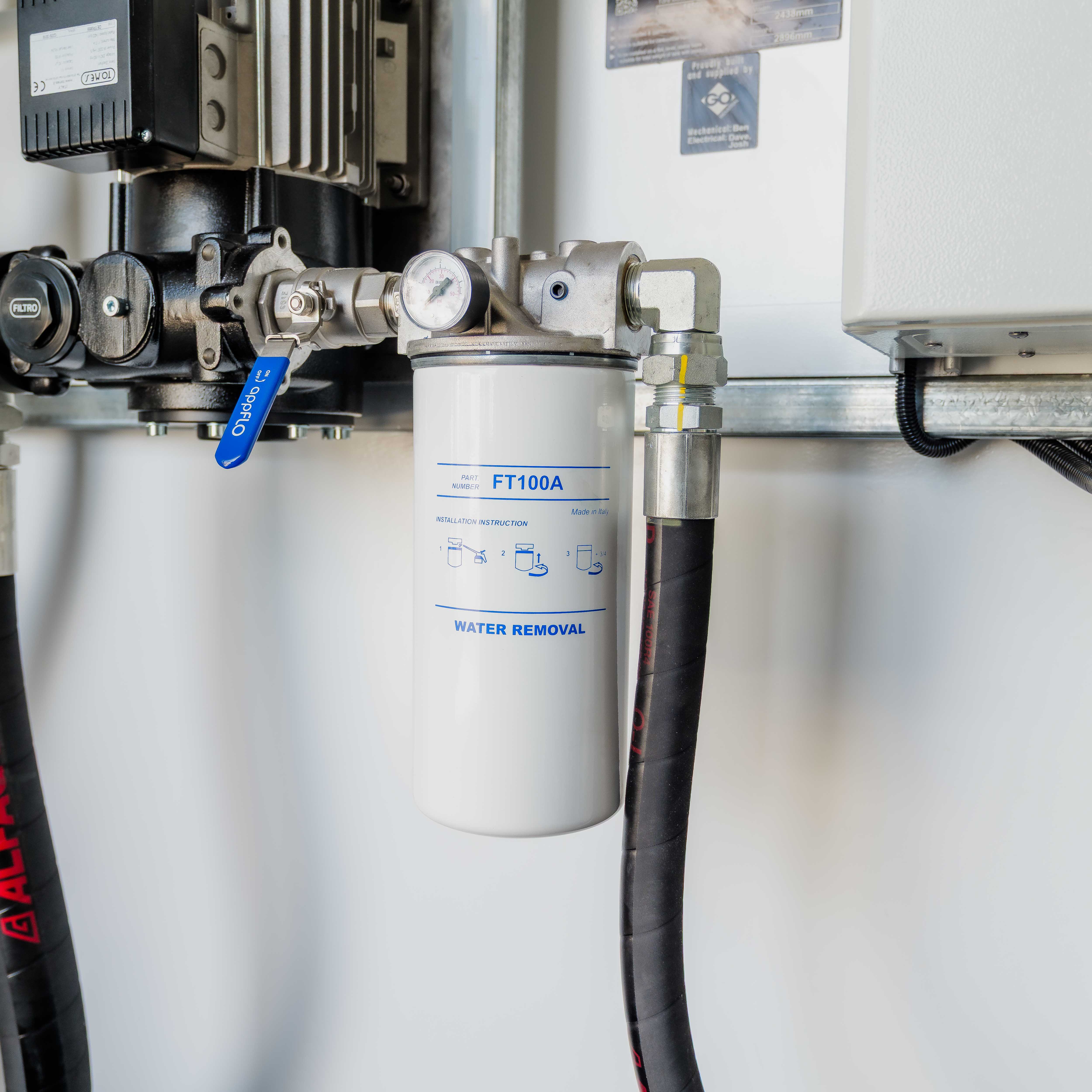
Single-Stage Water Separation
One filter element removes water from diesel. Use where particulate contamination is low but water ingress is the primary concern (e.g., tanks without desiccant breathers).
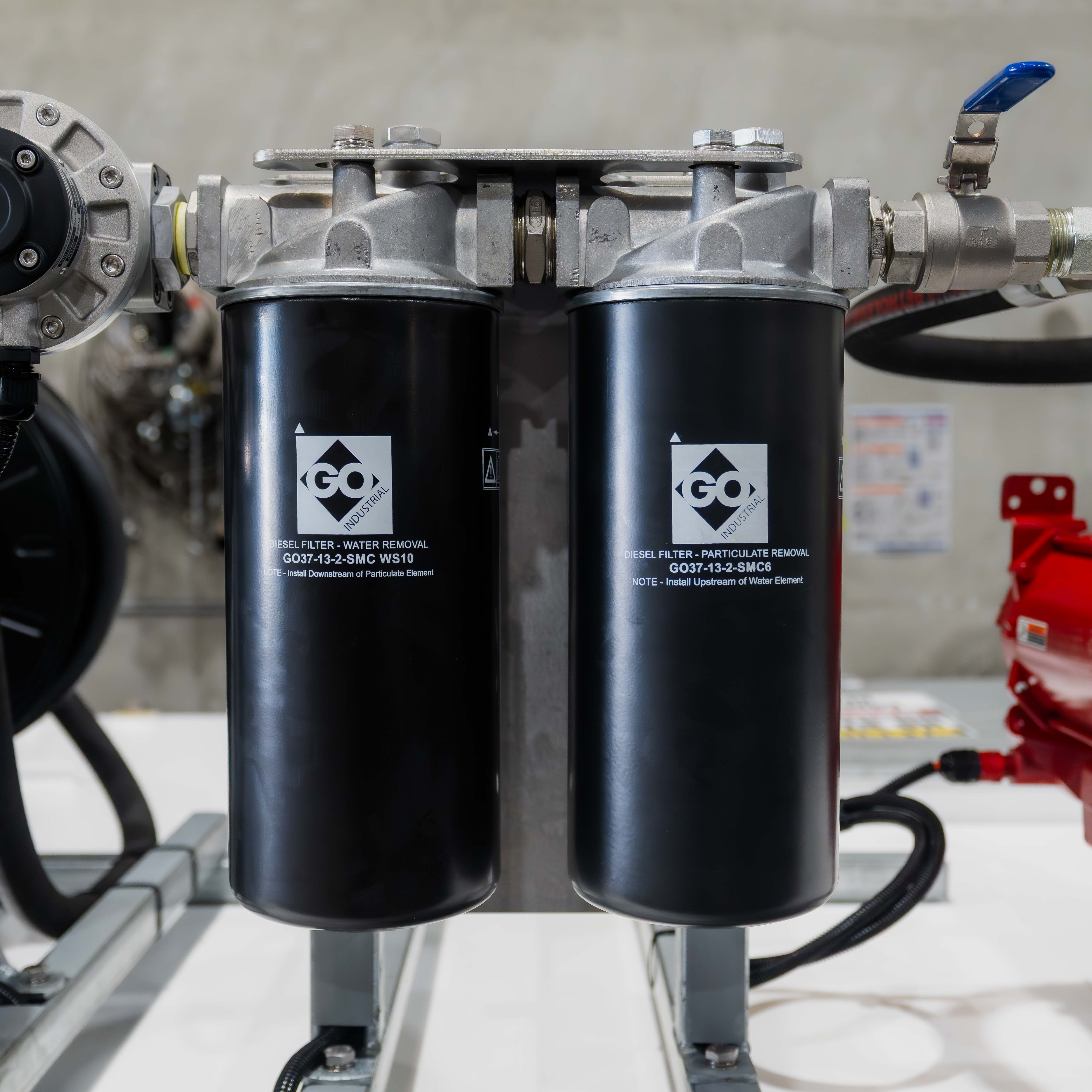
Dual-Stage (Recommended)
Two elements in one housing — particulate removal plus water separation. The GO Guardian kit and Donaldson Clean & Dry kits provide dual-stage protection with differential pressure indicators. The best option for most installations.
Step 3 — Sizing & Maintenance
Use this text to share information about your brand with your customers. Describe a product, share announcements, or welcome customers to your store.
The filter’s rated flow must match or exceed your pump’s output. An undersized filter restricts flow, increases pump load, and shortens element life. Example: a 100lpm pump needs a filter rated to at least 100lpm. Most GO Fill filters are rated 60–160lpm.
Filter heads are available in DN20 (3/4”), DN25 (1”), DN32 (1-1/4”), and DN40 (1-1/2”) BSP. Match the filter ports to your pipework — avoid unnecessary adaptors that add flow restriction and potential leak points.
Change when the differential pressure indicator shows restriction, or at least annually. In contaminated environments (dusty sites, old tanks, seasonal storage), elements may need changing every 3–6 months. Always keep at least one spare set of elements on-site.
A gauge or switch that measures the pressure difference across the filter element. As the element captures more contaminant, the pressure difference increases. When it reaches the element’s rated limit, the indicator signals that the element needs changing. Available in mechanical (visual pop-up) and electrical (switch output) versions.
Need help choosing? Tell us your pump model, flow rate, and fuel storage setup — we’ll recommend the right filter assembly and elements.