


Pumps
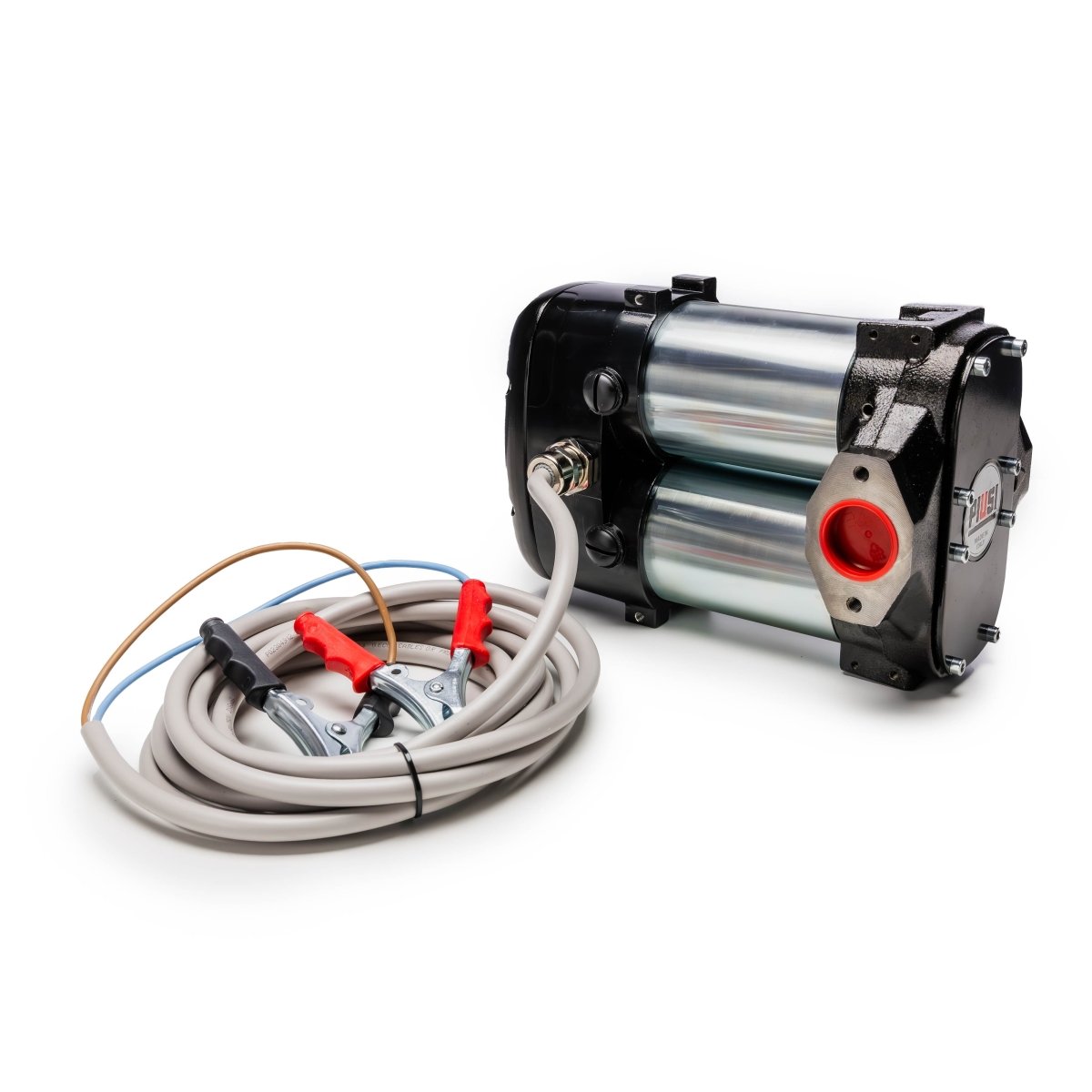
Diesel, petrol and AdBlue transfer pumps from 20 to 400 LPM - vane, gear, centrifugal and submersible units from Piusi, Fill-Rite and GPI
Fuel transfer pumps for diesel, petrol and AdBlue in flow rates from 20 to 400 LPM. Vane pumps for general diesel transfer, gear pumps for high-viscosity fuels, centrifugal and submersible units for bulk tank-to-tank moves. Suits fleet refuelling bays, mobile service trucks, mine site bulk tanks and workshop bowsers.
Filters
233 products




















Common Questions
What flow rate do I actually need for fleet refuelling?
Measure your average fill volume and how long drivers will wait. A 200-litre ute tank filled in 3 minutes needs about 70 LPM, allowing for hose losses. Don't oversize based on peak demand unless you're running a commercial forecourt. A 120 LPM pump will handle most fleet bays without the maintenance load of a high-flow unit.
Can I use a diesel vane pump for petrol?
Not without checking the materials spec. Petrol dissolves some elastomers and graphite compounds used in diesel-rated vanes. Piusi and Fill-Rite make dual-rated pumps with compatible seals and vanes, but confirm with the product sheet. Using the wrong pump voids your warranty and creates a fire risk from seal leaks.
How often do vane pumps need servicing?
Inspect vanes and the rotor every 12 months or 50,000 litres, whichever comes first. Clean fuel extends life; dirty fuel (or sucking tank sludge) wears vanes in weeks. Budget for a vane set every 2-3 years in typical fleet use. Keep a spare set on hand if the pump is critical to operations.
What's the maximum suction lift for a self-priming pump?
Most vane and diaphragm pumps handle 2.5 to 3 metres of suction lift in clean diesel, less in petrol or if there's air leaks in the suction line. Beyond that, fit a foot valve or switch to a submersible pump. Centrifugal pumps won't self-prime at all, so they need a flooded suction or a priming chamber.
Not sure which pump fits your tank and flow rate?
Our technical team can size the pump, motor and plumbing to match your fuel type, duty cycle and site layout.