Pumps - GO Fill

Pumps

Diesel, petrol and AdBlue transfer pumps from 20 to 400 LPM - vane, gear, centrifugal and submersible units from Piusi, Fill-Rite and GPI

Fuel transfer pumps for diesel, petrol and AdBlue in flow rates from 20 to 400 LPM. Vane pumps for general diesel transfer, gear pumps for high-viscosity fuels, centrifugal and submersible units for bulk tank-to-tank moves. Suits fleet refuelling bays, mobile service trucks, mine site bulk tanks and workshop bowsers.

Australian Warranty
20 to 400 LPM Range
Next-Day Metro Delivery
Technical Support

Filters

Filters
Sort by:

232 products

DECAL KIT CUBE Self Bunded Tank - GO Fill
DECAL KIT CUBE Self Bunded Tank DECALKIT-CUBESKU: DECALKIT-CUBE Sale price$495.00
DECAL KIT CON Self Bunded Tank - GO Fill
DECAL KIT CON Self Bunded Tank DECAL-KIT-CONSKU: DECAL-KIT-CON Sale price$495.00
DECAL KIT BOX Self Bunded Tank - GO Fill
DECAL KIT BOX Self Bunded Tank DECAL-KIT-BOXSKU: DECAL-KIT-BOX Sale price$495.00
CEA Decal Kit for STORE Self Bunded Tanks - GO Fill
CEA Decal Kit for Self Bunded FUEL TRAILERS - GO Fill
CEA Decal Kit for CUBE Self Bunded Tanks - GO Fill
CEA Decal Kit for CUBE Self Bunded Tanks CEADECAL-CUBESKU: CEADECAL-CUBE Sale price$120.00
CEA Decal Kit for CON Self Bunded Tanks - GO Fill
CEA Decal Kit for CON Self Bunded Tanks CEADECAL-CONSKU: CEADECAL-CON Sale price$810.00
CEA Decal Kit for BOX Self Bunded Tanks - GO Fill
CEA Decal Kit for BOX Self Bunded Tanks CEADECAL-BOXSKU: CEADECAL-BOX Sale price$120.00
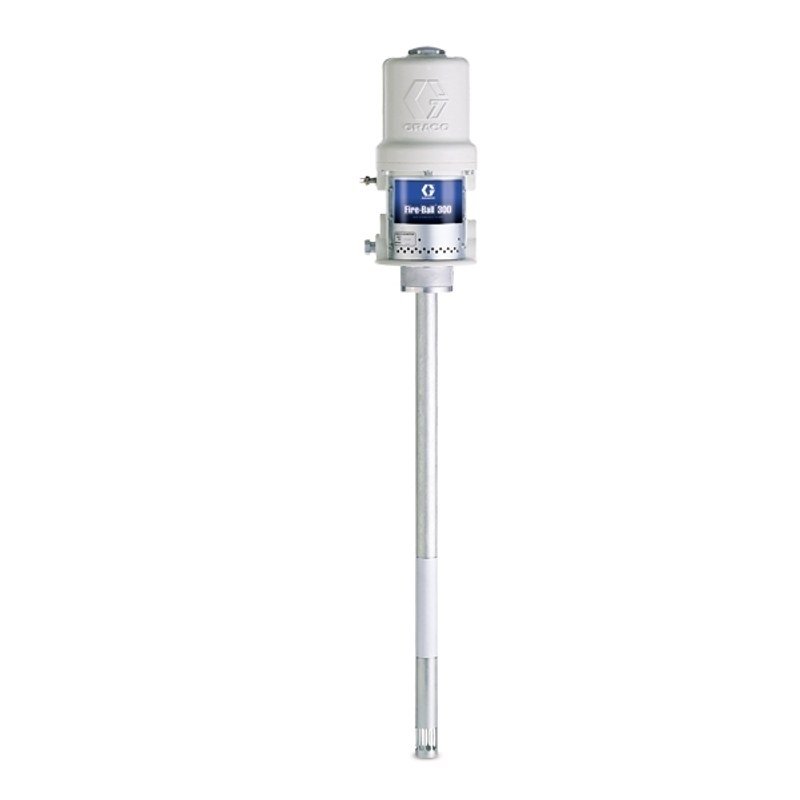
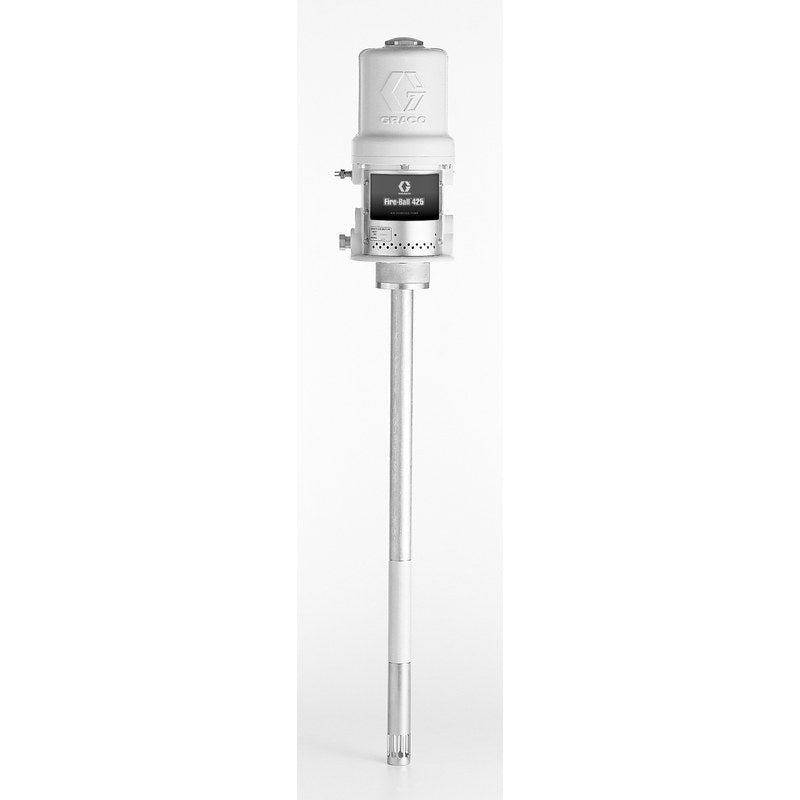
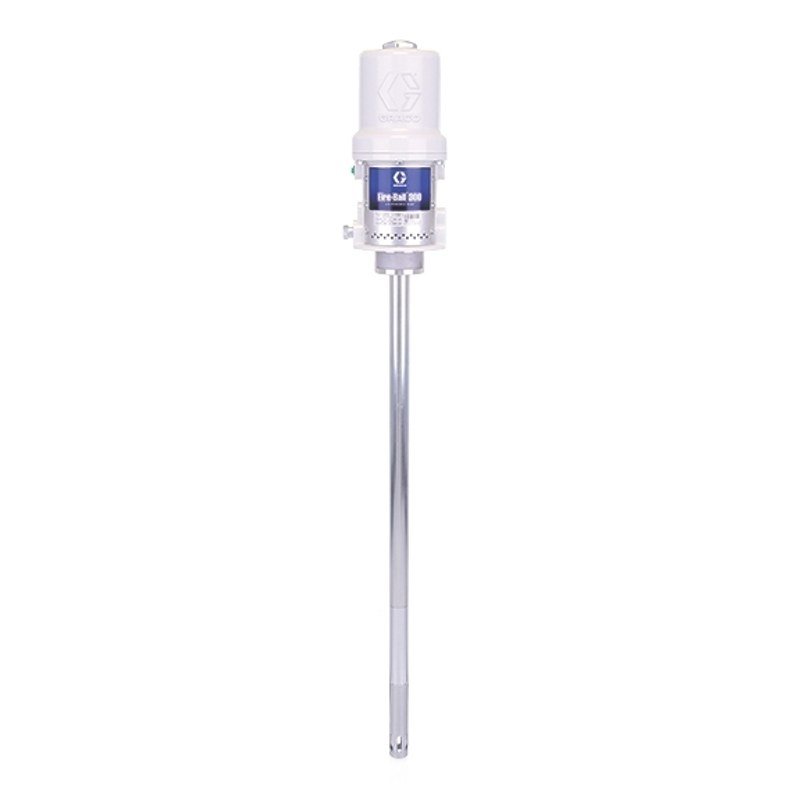
GRACO PUMP AIR PISTON 50:1 0.54kg/min 55kg Drum FIRE - BALL 300 - GO Fill
GRACO PUMP AIR PISTON 50:1 0.54kg/min 180kg Drum FIRE - BALL 300 - GO Fill
PIUSI SPARE PART Gasket Seal Kit E120 - GO Fill
PIUSI SPARE PART Viton Seal E120 - GO Fill
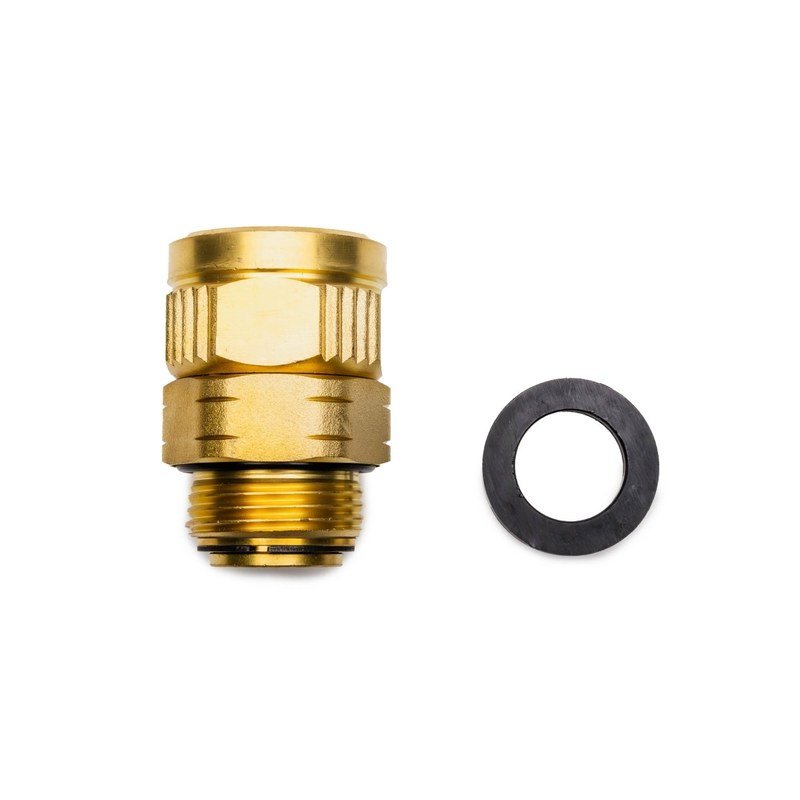
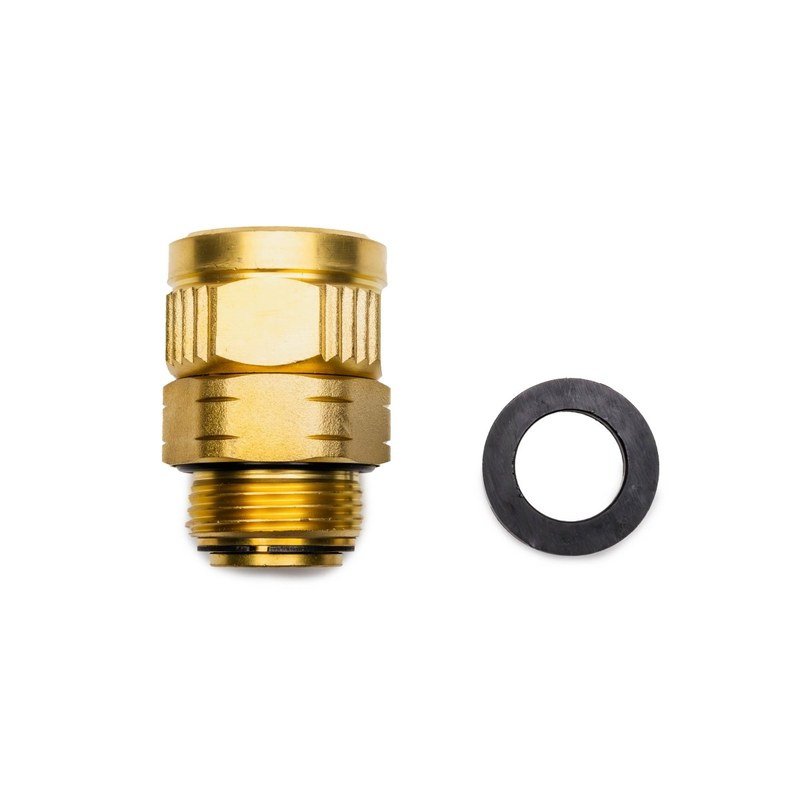
PIUSI SPARE PART Viton Seal E120 R08772000SKU: R08772000 Sale price$30.00
PIUSI SPARE PART Switch Kit 12V DC BI - PUMP - GO Fill
PIUSI SPARE PART Switch 16A Battery Kit 3000 12V DC - GO Fill
PIUSI SPARE PART Gasket Kit HFC E300 - GO Fill
PIUSI SPARE PART Gasket Kit HFC E300 R20138000SKU: R20138000 Sale price$53.64
PIUSI SPARE PART Sealing Ring BI - PUMP - GO Fill
PIUSI SPARE PART Filter Kit Panther 56 and 72 - GO Fill
PIUSI SPARE PART Filter Head PIT STOP - GO Fill
PIUSI SPARE PART Pump Vanes PKT 10 Battery Kit 3000 12V DC - GO Fill
PIUSI SPARE PART Filter Element PIT STOP - GO Fill
PIUSI SPARE PART Pump Vanes and Springs Set of 5 EX50 - GO Fill
PIUSI SPARE PART Filter Cover Gasket Panther 56 and 72 - GO Fill
PIUSI SPARE PART Bypass Kit Panther 56 and 72 - GO Fill
PIUSI SPARE PART Pump Vanes and Springs Set of 5 - GO Fill
BUYING GUIDE

How to Choose

1

Match flow to duty cycle

2

Check fuel compatibility

3

Plan for maintenance access

4

Consider electrical supply

ABOUT THIS RANGE

Choosing the right pump for your fuel transfer system

The pump is the heart of any fuel dispensing or transfer setup. Flow rate, mounting method and pump technology all affect installation cost, maintenance intervals and how long the unit will last in your specific duty cycle. A vane pump running diesel 20 times a day will outlast the same unit filling 200 vehicles. A submersible pump eliminates priming issues but needs tank access for servicing. Match the pump type and flow capacity to your actual refuelling pattern, not just peak demand, and you'll avoid oversizing and the maintenance headaches that come with it.

Vane pumps

Self-priming rotary vane pumps are the workhorse of diesel transfer. Flow rates from 40 to 120 LPM suit most fleet and workshop applications. Graphite or composite vanes handle diesel and kerosene without issues, but check compatibility for petrol and aggressive fluids. Vane pumps tolerate a bit of air in the line and will self-prime from a suction lift up to 3 metres in clean fuel. Wear parts (vanes, rotor) are replaceable, so a well-maintained unit can run for years. Avoid continuous-duty use beyond the manufacturer's rating or the vanes will glaze and lose sealing efficiency.

Gear and diaphragm pumps

Gear pumps deliver consistent flow under pressure and handle viscous fuels (heavy diesel, waste oil) better than vane units. They're common in high-volume transfer skids and AdBlue systems where flow precision matters. Diaphragm pumps are the go-to for clean petrol and solvents because they're spark-proof and tolerant of vapour lock. Lower flow rates (typically under 60 LPM) mean they're better suited to small-tank refills and portable setups than bulk transfer.

Centrifugal and submersible pumps

Centrifugal pumps move high volumes (200+ LPM) at low pressure, ideal for tank-to-tank transfer or filling road tankers where you don't need metering accuracy. Submersible units sit in the fuel tank, eliminating suction-side plumbing and priming problems. They're compact, quiet and work well in tight plant rooms or underground tanks. Trade-off is access for maintenance, so install them with a riser pipe or flange you can pull without draining the tank. Submersibles typically run cooler because the fuel acts as a heat sink, extending motor life in high-duty applications.

FAQ

Common Questions

What flow rate do I actually need for fleet refuelling?

Measure your average fill volume and how long drivers will wait. A 200-litre ute tank filled in 3 minutes needs about 70 LPM, allowing for hose losses. Don't oversize based on peak demand unless you're running a commercial forecourt. A 120 LPM pump will handle most fleet bays without the maintenance load of a high-flow unit.

Can I use a diesel vane pump for petrol?

Not without checking the materials spec. Petrol dissolves some elastomers and graphite compounds used in diesel-rated vanes. Piusi and Fill-Rite make dual-rated pumps with compatible seals and vanes, but confirm with the product sheet. Using the wrong pump voids your warranty and creates a fire risk from seal leaks.

How often do vane pumps need servicing?

Inspect vanes and the rotor every 12 months or 50,000 litres, whichever comes first. Clean fuel extends life; dirty fuel (or sucking tank sludge) wears vanes in weeks. Budget for a vane set every 2-3 years in typical fleet use. Keep a spare set on hand if the pump is critical to operations.

What's the maximum suction lift for a self-priming pump?

Most vane and diaphragm pumps handle 2.5 to 3 metres of suction lift in clean diesel, less in petrol or if there's air leaks in the suction line. Beyond that, fit a foot valve or switch to a submersible pump. Centrifugal pumps won't self-prime at all, so they need a flooded suction or a priming chamber.

Not sure which pump fits your tank and flow rate?

Our technical team can size the pump, motor and plumbing to match your fuel type, duty cycle and site layout.