


Tank Gauges
Mechanical, hydrostatic, magnetostrictive and ultrasonic level gauges with local or remote monitoring - Fozmula, Franklin, OLE, Piusi
Tank gauges measure fuel or oil levels in above-ground and underground storage tanks. They suit depots, workshops, mining sites and transport yards that need inventory control, compliance reporting or overfill prevention.
Filters
43 products














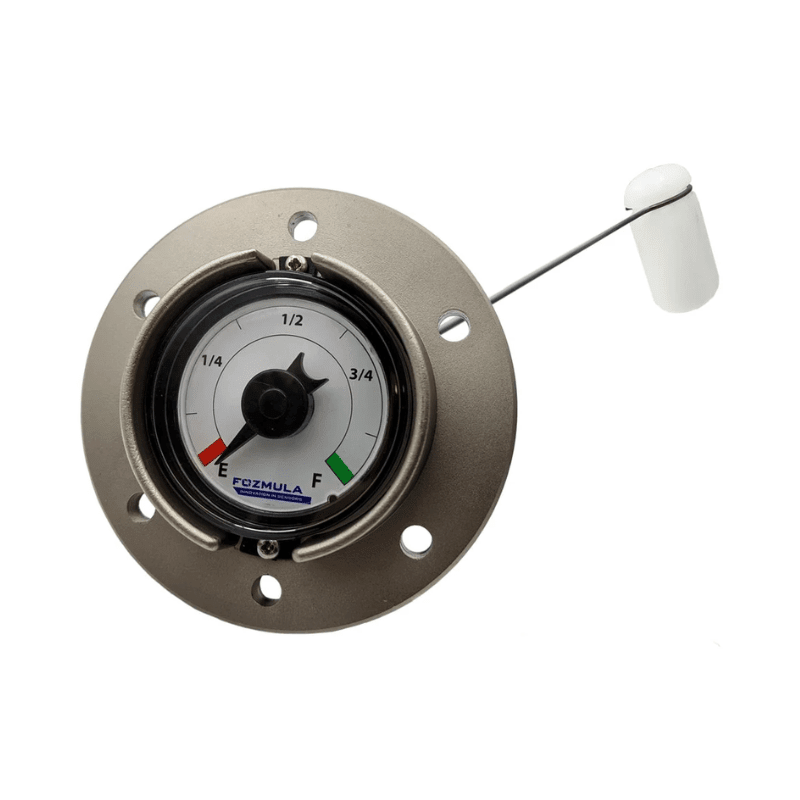

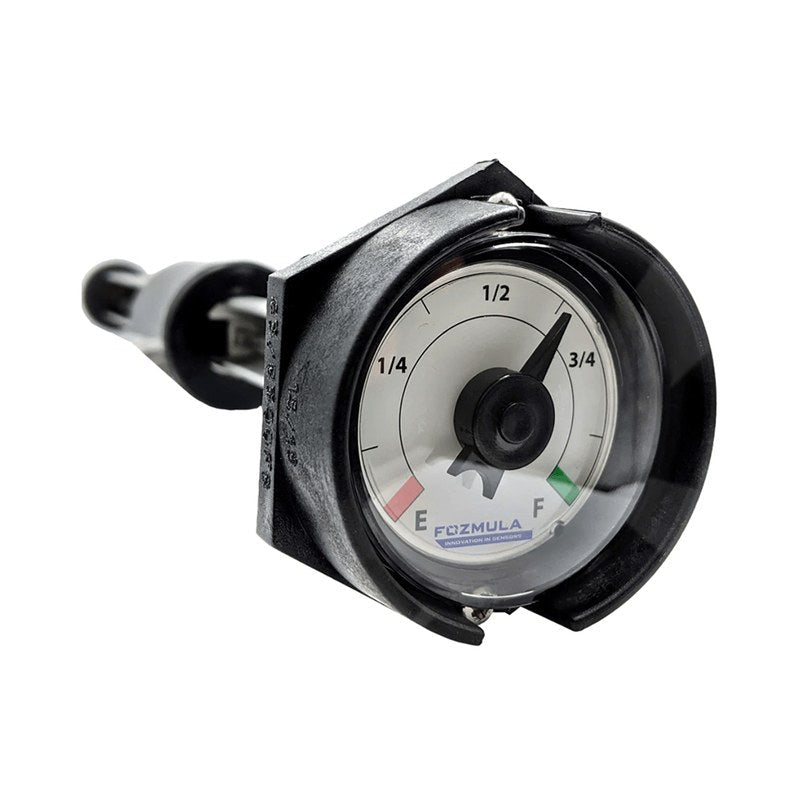
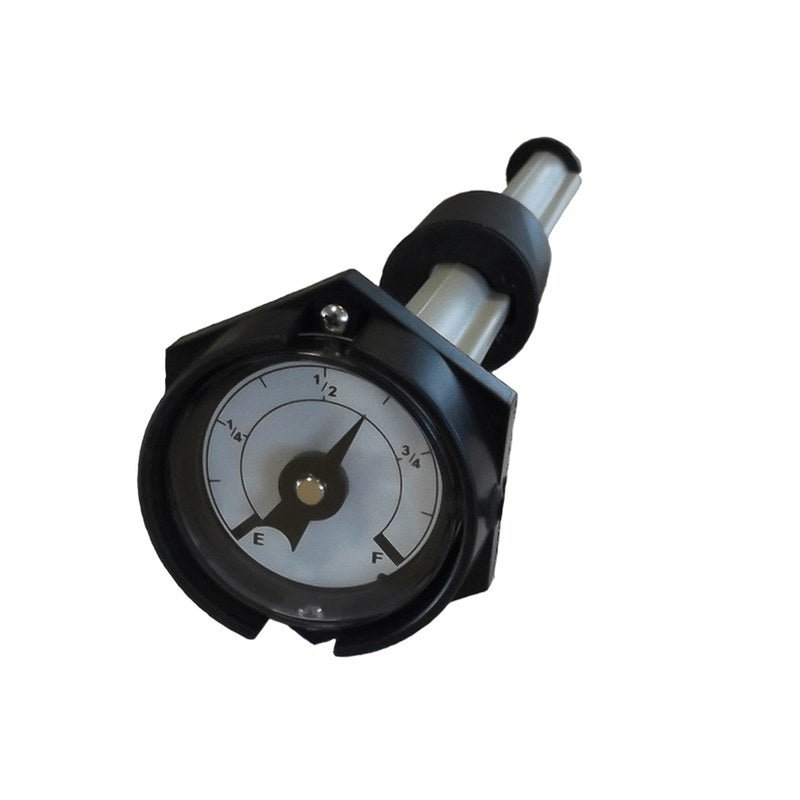
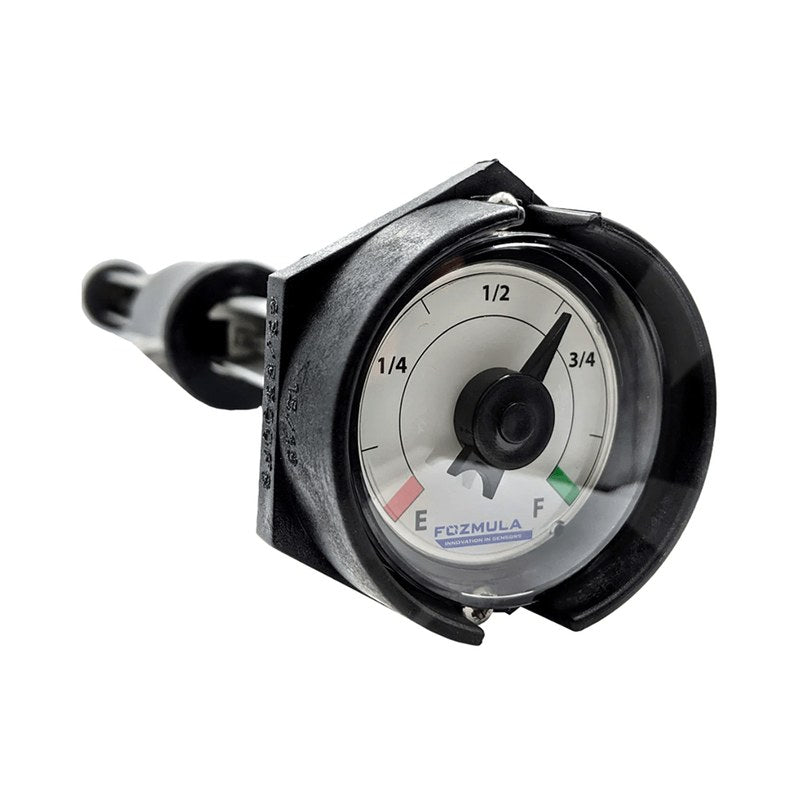
Common Questions
What's the difference between a float gauge and a hydrostatic probe?
Float gauges use a buoyant arm that swings with level changes; good for shallow tanks and local display. Hydrostatic probes measure liquid pressure at the tank bottom; better for tall vertical tanks and electronic output. Floats are simpler and cheaper. Probes give consistent accuracy over the full range.
Can I retrofit a 4-20mA output to an existing float gauge?
Some float gauge models offer add-on transmitter modules. If your current gauge has a rotary shaft, you can often clamp a potentiometer or encoder to it. Otherwise, replacing the entire sender is cleaner. Send us a photo of your existing gauge and we'll confirm compatibility.
Do cloud gauges need a SIM card?
Most cloud-connected gauges include a built-in cellular modem with SIM already installed. Subscription fee covers data and cloud hosting. A few models support BYO SIM if you have a bulk IoT plan. Check the spec sheet or ask us which option each model uses.
What accuracy do I need for compliance reporting?
Environmental regulations for service station underground tanks typically require ±3 mm or better, which means magnetostrictive or high-spec ultrasonic. Bulk diesel depots can usually work with ±10 mm from a good hydrostatic probe. Workshop and farm tanks have no mandated accuracy; float gauges reading ±2% are adequate for reorder triggers.
Not sure which gauge fits your tank and monitoring setup?
Tell us tank size, fuel type and whether you need local display or remote signal - we'll match the right sensor.