


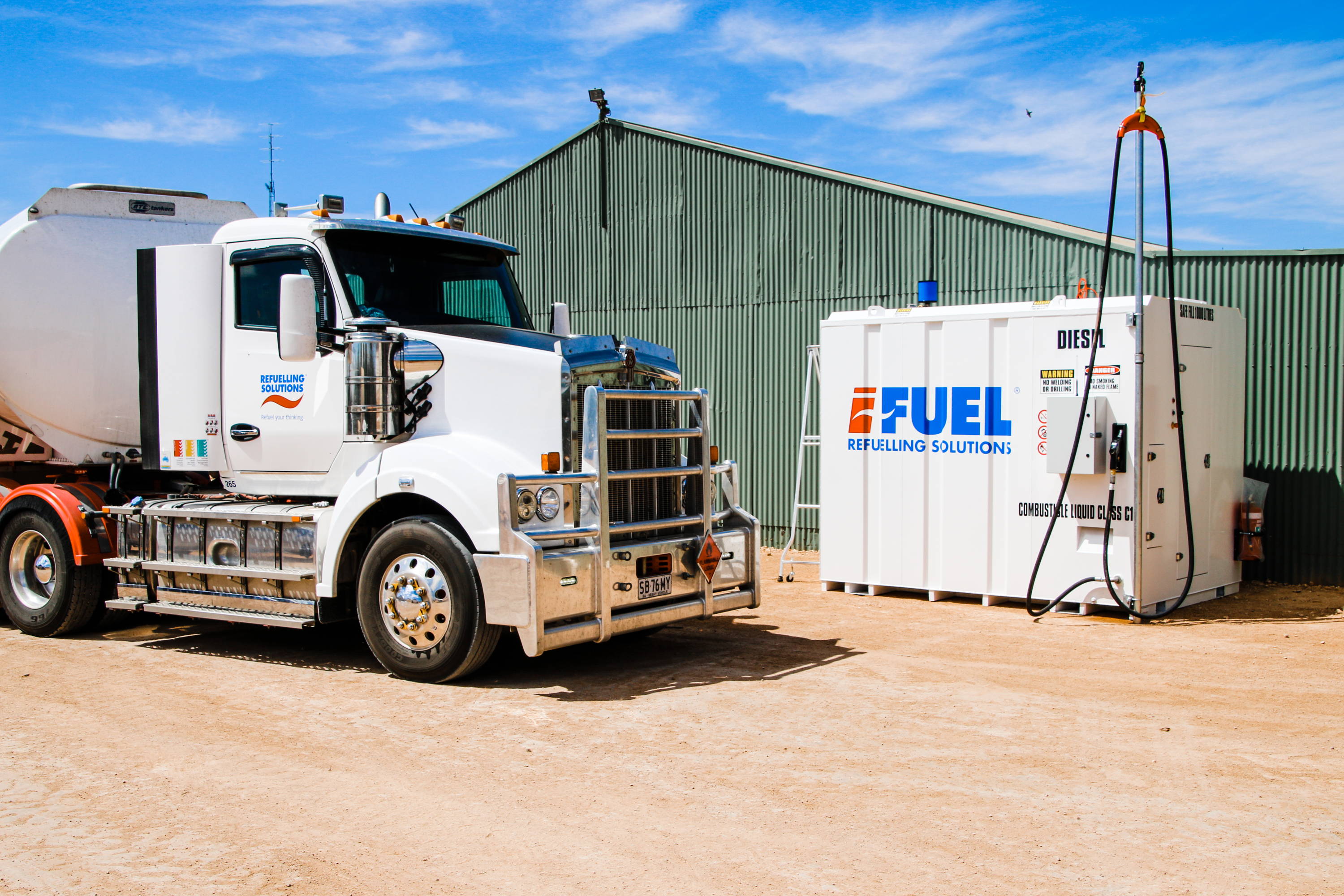
Safe End-of-Life Tank Management
Decommissioning Services
PROFESSIONAL TANK DECOMMISSIONING
Professional fuel tank decommissioning including fuel evacuation, vapour purging, LEL gas-free testing, certification, and environmental compliance documentation. Critical for site closure, tank replacement, or regulatory compliance when a fuel storage installation reaches end of life or is no longer required.
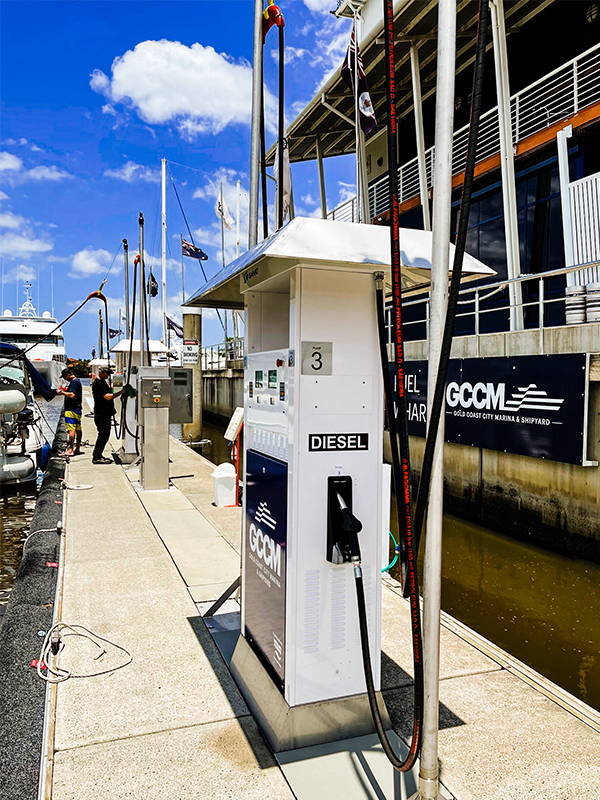
Step by Step
THE DECOMMISSIONING PROCESS
1. Fuel evacuation & recovery — Remaining fuel pumped out and recovered for reuse or disposal
2. Tank cleaning & sludge removal — Internal cleaning to remove sludge, sediment, and residual fuel
3. Vapour purging — Nitrogen purging or forced ventilation to displace flammable vapours
4. LEL gas-free testing — Lower Explosive Limit testing with calibrated gas detector to verify safe atmosphere
5. Gas-free certificate — Formal certification that the tank atmosphere is below LEL threshold
6. Structural decommissioning or relocation — Tank made safe for disposal, scrap, or transport to a new site
7. Environmental compliance sign-off — Documentation package for regulatory and site closure requirements
Request a Quote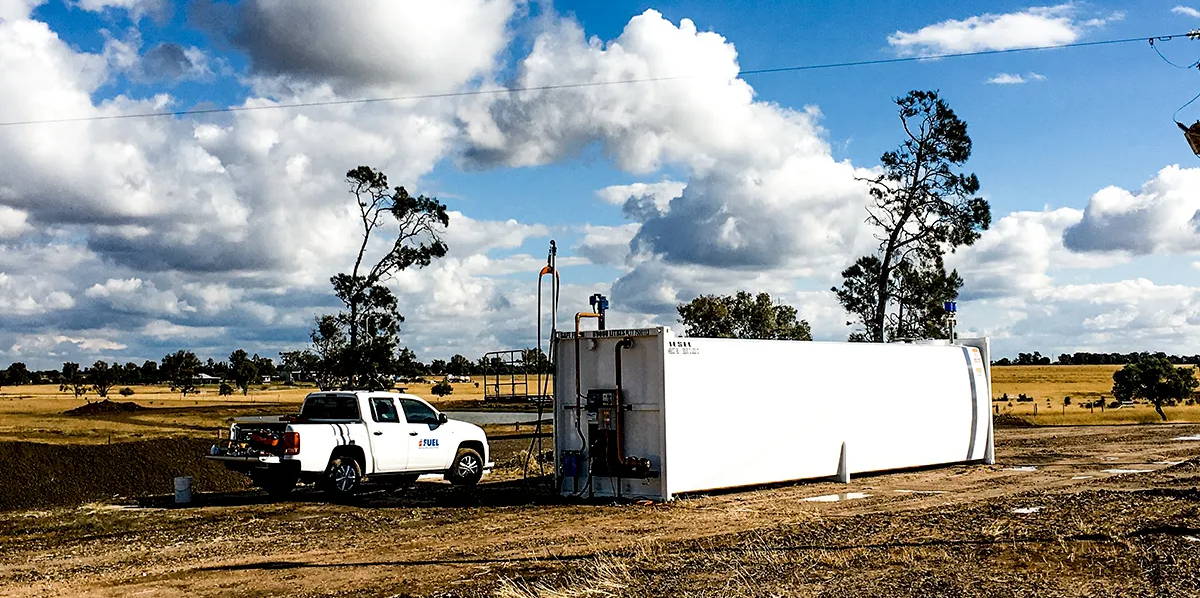
Preserve Your Asset
RELOCATE, DON'T DECOMMISSION
Self bunded tanks are mobile by design. If your tank is structurally sound, we can relocate it to a new site instead of decommissioning. This preserves your asset value and avoids the cost of purchasing a replacement.
We handle the full relocation process — fuel evacuation, gas-free certification, crane lift, transport, and recommissioning at the new site including AS1940 compliance handover.
Before committing to decommissioning, ask us about relocation. It's often the smarter financial decision.
Gas-Free
Certified Safe
LEL
Tested & Verified
AS1940
Compliant Process
Frequently Asked Questions
Relocate if the tank is structurally sound, less than 15-20 years old, and you have a use for it at another site. Decommission if the tank has significant structural damage, corrosion, or bund failure that makes repair uneconomical. We'll assess the tank condition and give you an honest recommendation.
You must ensure no soil or groundwater contamination from the tank or surrounding area. This may require soil sampling and testing depending on your local EPA requirements. All waste fuel, sludge, and cleaning materials must be disposed of through a licensed waste contractor. We coordinate all of this as part of the decommissioning process.
You'll receive a gas-free certificate (LEL test results), a decommissioning report with photographic evidence, waste disposal receipts, and an environmental compliance summary. This documentation package satisfies most regulatory and insurance requirements for site closure.